






















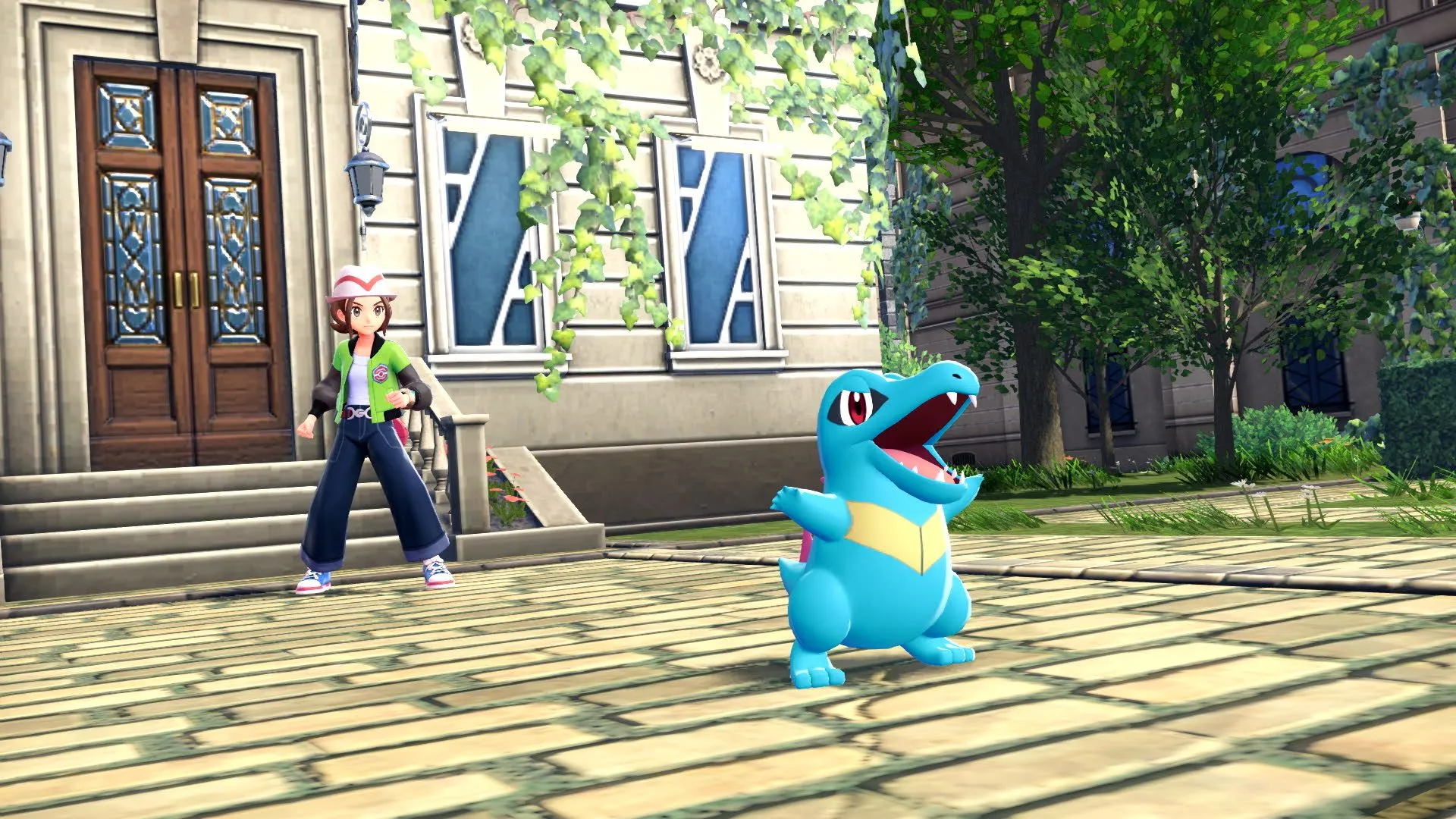

Pokémon Legends: Z-A marks the second evolution of the Legends line and the boldest shift yet. The game concentrates the entire adventure inside Lumiose City in Kalos, a place long-time players know from Pokémon X and Y. Legends: Arceus centered play around wilderness exploration and collection.
Z-A ties progress and story to fighting. You arrive as an outsider, cross paths with the mysterious AZ and Team MZ, and enter the competitive Z-A Royale as Mega Evolution events grow unstable. On newer hardware, visual quality and frame consistency show clear gains in both docked and handheld modes, setting a higher technical bar for the series.
Real-Time Battle, Layered Strategy
Combat drives everything here. The design leaves turn-based sequencing behind and adopts real-time action, which asks for constant reads on positioning, openings, and risk. Moves now sit on cooldowns instead of PP. Speed becomes a live modifier that trims or stretches those cooldowns, so a fast roster can cycle attacks efficiently. The trainer stands on the field as a target, and wild Pokémon can down you. That threat keeps attention on the whole arena. Survival depends on a reliable dodge roll and a lock-on that helps track multiple foes without losing the main objective.
Depth comes from field control. Traditional hazards like Spikes act as real-time traps that shape routes and spacing. You also influence your partner’s place on the grid by moving your own avatar, which lets you pull a Pokémon out of close-range swings and reset the angle. The Z-A Royale sets the spine of progression. You earn Challenger Tickets in randomized battle zones that add a light stealth wrinkle.
Sneaking up on trainers grants a large opening hit, which encourages scouting routes and reading sight lines. The checklist format can repeat across areas that look alike, yet the rank-up bouts that follow feel authored and focused, with a Gym-style rhythm that ties cleanly into the story’s beats. The biggest tests arrive in Rogue Mega Evolution raids. These multi-wave fights ask for precise trainer dodging and careful team building that anticipates patterns across waves.
The Verticality of Lumiose
A single-city scope replaces a region tour. The result feels like daily life with Pokémon set against a compact urban slice. Scale comes from height and density rather than distance. Scaffolds and ladders carry you between layers, and rooftop paths turn traversal into small environmental puzzles. Chasing rare spawns or key items like Colourful Screws and Mega Shards often starts with reading the skyline and finding a workable climb.
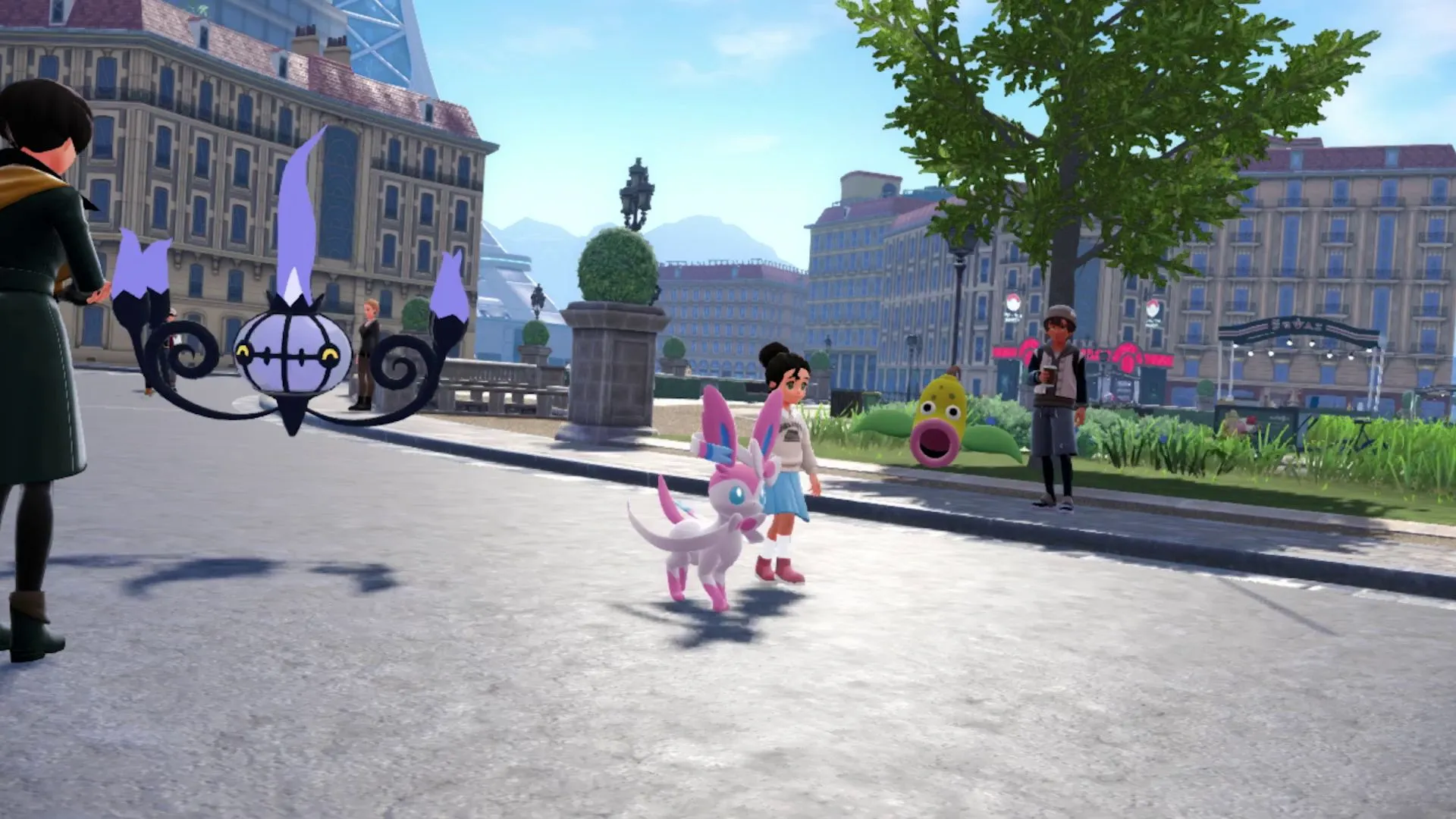
The art direction does not always keep up with the layout. The city spreads wide, yet many surface textures repeat, especially above street level. Similar-looking upper tiers can blur together and make orientation harder. Pokémon patter through spaces that make sense, such as Trubbish near bins and Flying-types perched up high. That placement makes the setting feel lived in. Side Quests pop up across districts.
They tend to be simple errands, yet they reinforce the core idea of people and partners sharing routines, and they carry a light, quirky tone. The Lumiose Sewers break the streets-and-rooftops loop with a distinct environment that gives the eye a rest and offers a different flow.
Pacing, Presentation, and Potential
Pacing wobbles. The opening charms and moves briskly. Progress slows in the middle as the repeated battle zone objectives gate rank advancement in the Z-A Royale. The package lands as a contained experience, shorter and tighter than a mainline RPG. Writing helps a great deal. Banter hits with real humor, and side characters stick, especially inside the push-pull dynamic of Team MZ. The plot reaches back to time-tested motifs, including a prophesied child, a looming threat, and a warm focus on bonds between people and Pokémon.
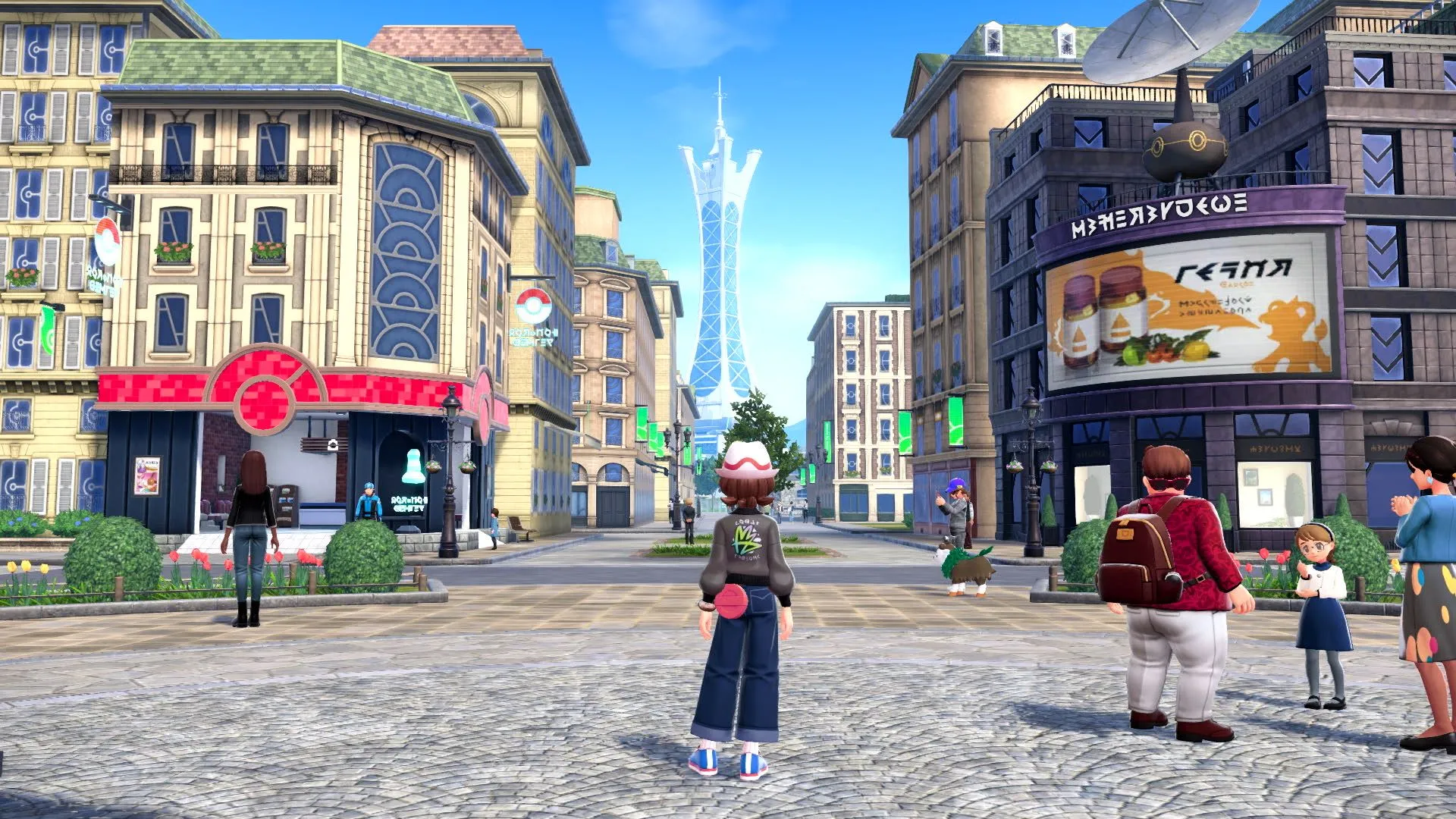
Presentation shows care. Creature and character animations look cleaner, and performance remains smooth. The audio mix stands out, pairing a jazzy, accordion-led score with new tracks and well-arranged Kalos remixes. Accessibility receives attention, with separate sliders for music and effects and an adjustable text speed that lets every player tune the pace of dialogue and prompts.
From a systems standpoint, Z-A reads as a study in how mechanics and story can share the same heartbeat. Real-time action turns every scene into a space where choices carry immediate consequences. A mistimed dodge costs position and pressure. A smart route through traps opens tempo for your team. Speed-driven cooldowns push you to think about roster identity, not just type matchups. The stealth boost in battle zones rewards observation and planning rather than pure stats. Those links between choice and outcome give the narrative of a city on edge a mechanical echo, especially once Rogue Mega Evolution raids raise the ceiling on execution.
The approach is not free of friction. Repetition inside battle zones can flatten momentum. Visual sameness at altitude can dull the thrill of climbing. Yet the authored rank-ups and raid set pieces land with clarity, and the city’s layered layout keeps exploration goals readable even as you bounce between tickets, side errands, and story beats.
Pokémon Legends: Z-A plays like an enjoyable entry that fuses classic appeal with a fresh combat core and an urban map packed with routes and vantage points. Some tasks loop, and the one-city scope places limits on variety, yet the package functions as a polished bridge. It shows how the Legends line can keep reshaping core systems and structure, while staying true to the series’ spirit.
The Review
Pokemon Legends: Z-A
The game successfully redefines the series' formula with its action-focused combat and charming urban setting. While exploration excels in verticality and the narrative is full of engaging humor, the repetitive nature of the mid-game activities and the lack of visual distinction in the city limit its overall scope. It stands as an important, highly enjoyable step forward for the franchise's mechanical evolution.
PROS
- Real-time action combat system
- Excellent animations and smooth performance
- Vertical, dense city exploration
- Charming character writing and humor
- Superb, jazzy soundtrack
CONS
- Repetitive nature of battle zone missions
- Lack of visual variety in rooftop environments
- Constrained single-city scope