



























The opening sequence arrives as an arresting visual offering: time-lapse shots of cactus flowers unfolding with a lush, almost aggressive pace. Pashtun pop music scores these images and establishes an atmosphere full of life and color that sits uneasily beside the historical shadow over 2021. This vivid prologue introduces Naru, played by director Shahrbanoo Sadat.
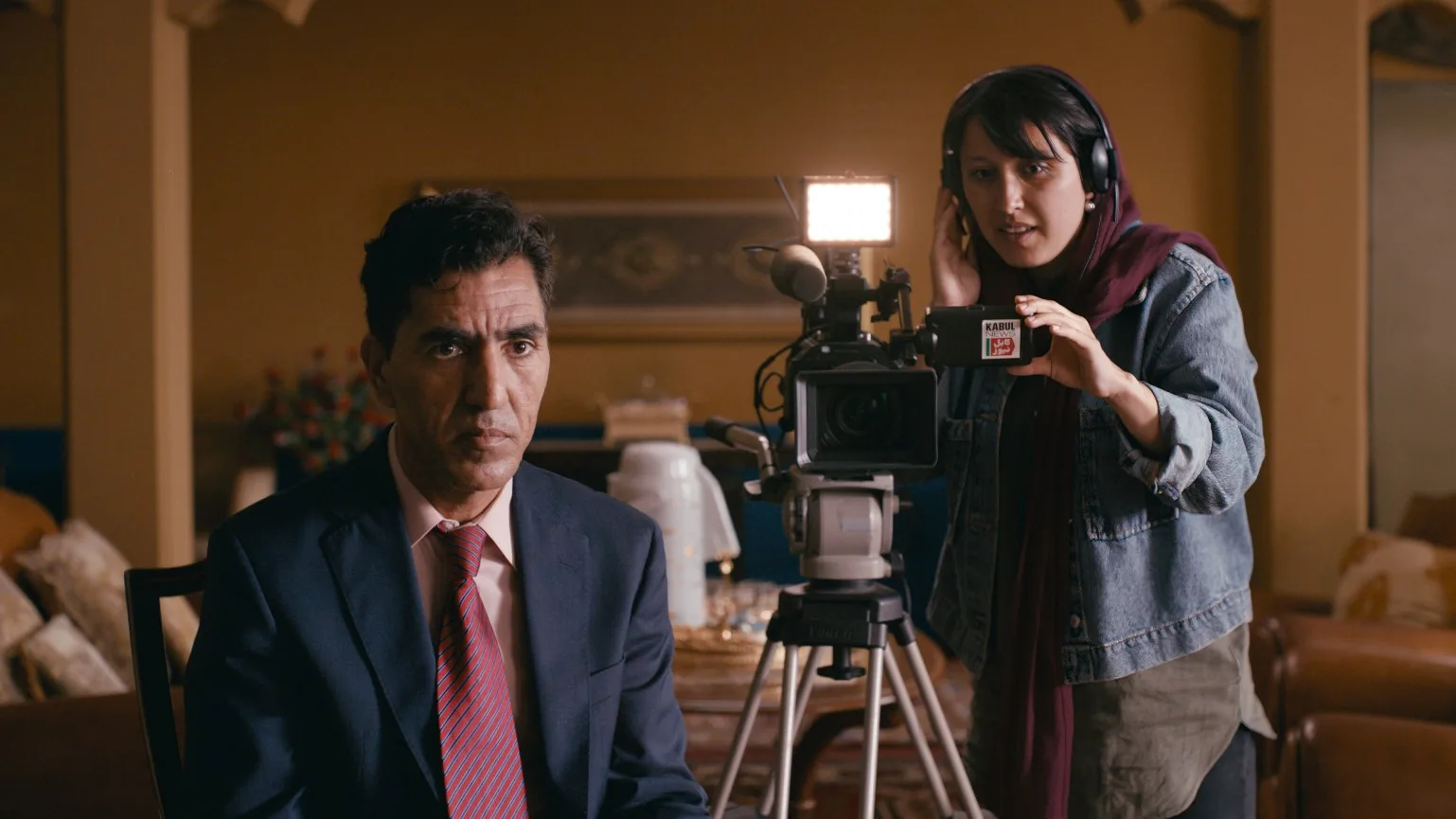
She works as a camera operator at a Kabul television station. Her private life carries weight. She is a single mother to a three-year-old son and endures a painful separation from an unfaithful husband. Her custody status is precarious within a legal system that rarely bends toward women.
The film records Kabul during the final months before the Taliban return. The city functions in ordinary ways. People go to work and gather socially. An invisible pressure remains. Naru resists the station’s efforts to confine her to domestic segments. She pushes for hard news work. She wants to portray the city’s reality through her own lens.
The Lens of the Newsroom
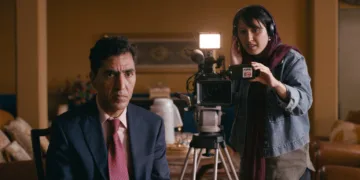
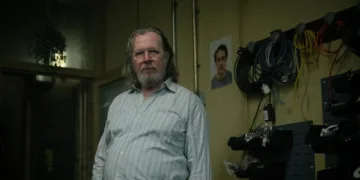
The television station’s professional world acts as a small-scale portrait of the larger city. Men fill positions of authority and carry the weight of political coverage. Naru’s chance to prove herself comes when a male cameraman is suddenly unavailable. She is paired with Qodrat, a seasoned and respected reporter.
Their first major assignment sends them to interview a Taliban commander. During that encounter a moment of tension appears when Naru’s headscarf slips and the interviewee uses the instance as grounds to end the session. Qodrat responds with frustration and a cool distance. He assigns Naru a trivial Valentine’s Day feature and anticipates failure or shallowness.
She converts his dismissal into a substantive piece of journalism. Naru walks the streets and records women who speak with raw honesty. They describe the lack of respect they receive from husbands and the daily insults that mark their lives. Those voices become the film’s title and confirm Naru’s suspicion that decent men are scarce.
Qodrat sees her footage and recognizes her talent. Their relationship shifts from antagonism toward professional respect. They begin to cover consequential stories together. One report about a gang rape reveals Naru’s capacity to win testimony from survivors.
Private Lives and Public Spaces
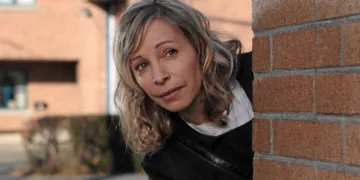
The film attends to the private rooms where women carve out fleeting autonomy. Naru spends time with friends and laughs over a gift brought from America. That scene uses humor to underline a desire for agency within constrained social life. These interior moments stand against the rigid expectations of public behavior. In a restaurant sequence Naru refuses the family area designed to sequester women.
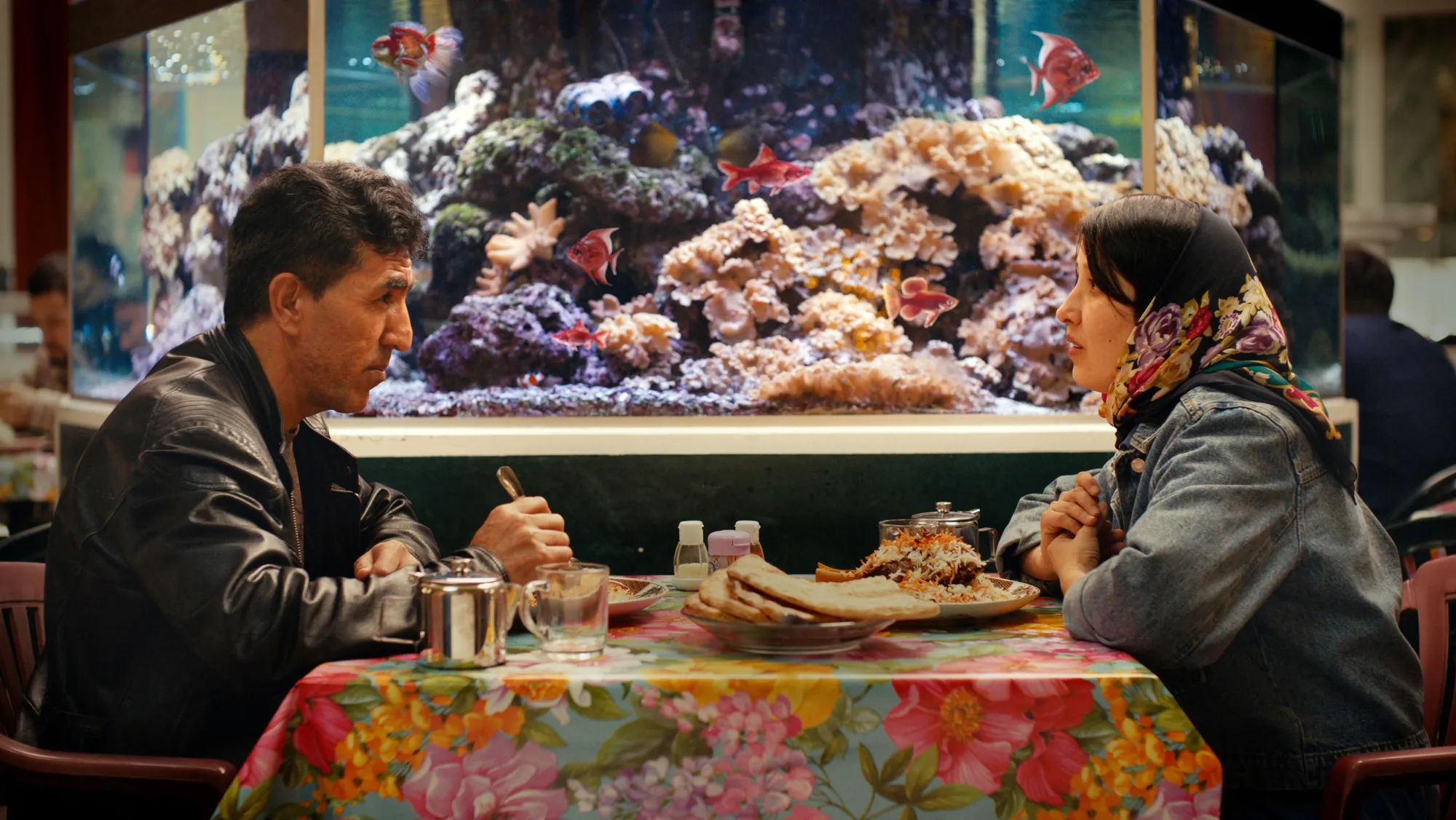
She sits in the main dining room and endures the uncomfortable stares of male patrons. This choice registers as refusal to accept a secondary status. Qodrat functions as a qualified exception to Naru’s assessment of men. He is older and married. Their bond remains primarily professional and intellectual. He supports her during a tense confrontation with her ex-husband. Their interaction avoids stock romance.
They trade sharp dialogue about differing perspectives. Qodrat finds her ideals naive and sheltered. Naru counters that his generation has grown too passive. The film shows these small freedoms as fragile. Working in public or dining in the open appears as a temporary allowance. Those moments carry beauty while also carrying the sense that they may end.
The Fracturing of a World
The film’s tone shifts as the political situation turns dire. Workplace tensions recede and the narrative moves toward a stark portrayal of social breakdown. Real news footage of the American withdrawal roots the story in historical fact. A wedding celebration ruptures into violence and ends the era of relative levity.
The final act advances toward the chaos at the airport where thousands gather to flee. Survival replaces romantic tension. Production design renders a convincing and terrifying image of a city under siege. Streets that once held music and life become cold and dangerous. The transition reads as abrupt and it mirrors the suddenness of political change. The film concentrates on the loss of a particular era and captures a narrow window of possibility that closes.
Final images show characters confronting a future without certainty. Their private narratives stand for the wider tragedy. The bright cacti of the opening recede from memory. Only thorns remain. The film offers no tidy answers. It leaves the viewer with a sense of mourning for a city and for its people. The hope found inside the newsroom has gone. The film functions as a document of a vanished reality.
No Good Men premiered as the opening film of the 76th Berlin International Film Festival on February 12, 2026. This autobiographical drama, directed by and starring Shahrbanoo Sadat, is a co-production between Germany, France, Norway, Denmark, and Afghanistan. The story follows a determined camerawoman at a Kabul television station in the months leading up to the 2021 Taliban takeover. While the film began its prestigious festival run today, it is scheduled for a wider theatrical release in Germany and other European territories starting in August 2026.
Where to Watch No Good Men
Full Credits
Title: No Good Men
Distributor: Eksystent Filmverleih (Germany), Camera Film (Denmark), Lucky Number (International Sales)
Release date: February 12, 2026 (Berlinale World Premiere), August 27, 2026 (Theatrical Release)
Rating: NR (Not Rated)
Running time: 103 minutes
Director: Shahrbanoo Sadat
Writers: Shahrbanoo Sadat, Anwar Hashimi
Producers and Executive Producers: Katja Adomeit, Shahrbanoo Sadat, Jeppe Wowk, Marina Perales Marhuenda, Xavier Rocher, Ingvil Sæther Berger, Balthasar Busmann, Maxi Haslberger
Cast: Shahrbanoo Sadat, Anwar Hashimi, Liam Hussaini, Yasin Negah, Torkan Omari, Fatima Hassani, Masihullah Tajzai, Laila Mahmudi
Director of Photography (Cinematographer): Virginie Surdej
Editors: Alexandra Strauss
Composer: Harpreet Bansal, Therese Aune, Kristian Eidnes
The Review
No Good Men
No Good Men functions as a sharp examination of gender politics within a vanishing city. Its strength exists in the authentic depiction of female professional life against a background of rising terror. While the romantic arc feels conventional, the grounded performances and evocative production design carry the weight of the historical moment. It captures a specific heartache for a lost Kabul. Sadat provides a perspective that feels grounded in reality. The work avoids the sentimentality often found in war dramas. Instead, it offers a clear view of a closing window of freedom.
PROS
- Honest portrayal of newsroom power structures.
- Sharp contrast between the opening hope and final ruin.
- Vivid recreation of local street life.
- Frank dialogue among female characters.
CONS
- Uneven narrative pacing in the second half.
- The central romance lacks the weight of the political stakes.
- Several supporting figures lack depth.