




























Turkey’s profile at the Berlin International Film Festival sharpened this week with two Turkey-linked features competing for the Golden Bear: Yellow Letters from İlker Çatak and Salvation from Emin Alper. The pairing has drawn attention at the European Film Market, where buyers track how politically charged stories travel beyond the festival circuit.
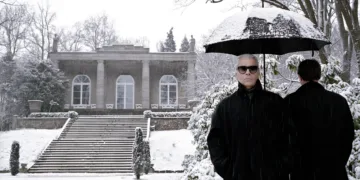
Çatak framed his film as a warning aimed at audiences who assume democratic rollback stays confined to faraway places. “We always thought in the West that we’re immune to that kind of political repression. And now we’re realizing we’re not,” he said, describing a marriage strained after a Turkish artist is targeted for critical posts online. He added, “You can lose your job too, if you are stating the wrong political statements.”
The director linked the story’s anxieties to recent events in Turkey, pointing to the 2025 arrest of Ekrem İmamoğlu and the protests that followed. The production staged key scenes in Germany and asked viewers to accept those streets as Ankara and Istanbul, a choice he said was meant to keep the film from being dismissed as a distant problem.
Alper’s Salvation arrives with a different register: a rural drama set high in the Turkish mountains, built around a returning exiled clan and a feud that flares into fresh violence. Festival-watchers have described the film as a study of power, faith and coercion rather than an urban political thriller, signaling range inside this year’s Turkish presence.
Offscreen, the moment lands inside a louder festival argument about art, speech and politics, after jury comments triggered a public dispute and a formal defense from festival leadership. That backdrop has amplified attention on films centered on repression, while some critics have questioned how effectively allegory and realism hold together in individual titles.