





















![Kingdom Hearts Collection [I-III] Review](https://gazettely.com/wp-content/uploads/2026/10/Kingdom-Hearts-Collection-I-III-1-360x180.webp "Kingdom Hearts Collection [I-III] Review: KHII Holds Steady as Newer Entries Fluctuate 37")


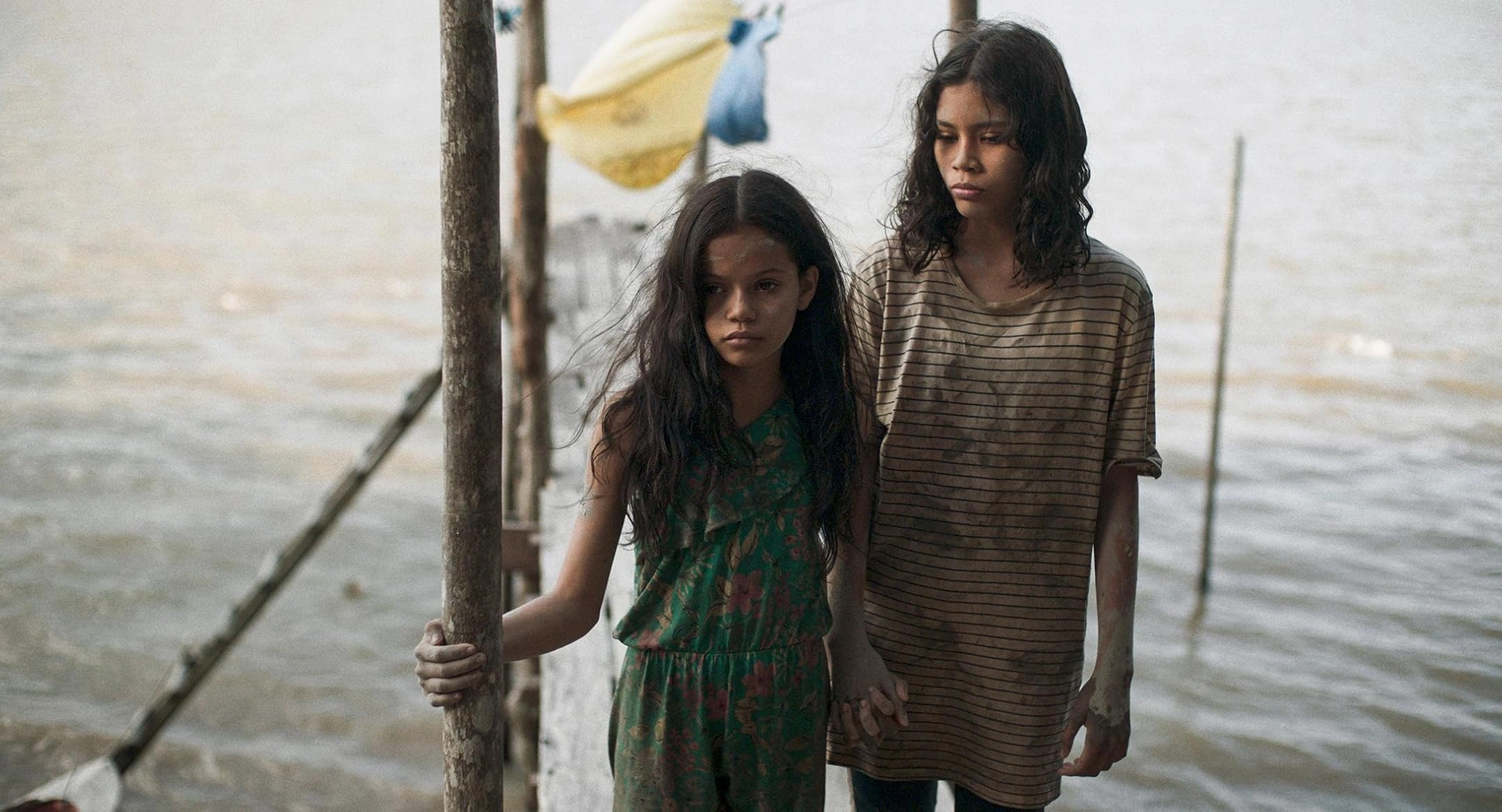

Geography can pose as mercy. On Marajó Island, at the mouth of the Amazon River, distance promises shelter and quietly betrays that promise. Stilt houses lean above the riverbanks, families wash laundry in the current, children shake açaí berries from tall palms, and small boats collect shrimp from the water.
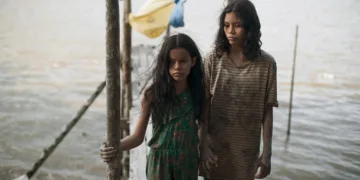
In Manas, the debut narrative feature by Brazilian director Marianna Brennand, this pastoral world becomes a veil drawn across inherited domestic horror. Thirteen-year-old Marcielle, called Tielle with family tenderness, enters puberty as the island’s calm begins to feel airless.
Non-professional actress Jamilli Correa gives Tielle a frightened inwardness, a body learning that adulthood can arrive as enclosure. Her father, Marcílio, destroys her innocence beneath the ritual language of teaching her to hunt in the jungle. His new authority changes the moral weather of the household, turning the home into a place of violation. Near her, Danielle, Tielle’s pregnant mother, watches the collapse with paralyzed and silent endurance, trapped inside the knowledge that she cannot redirect her daughter’s passage into adulthood.
The Defeat of Communal Echoes
Tielle moves through this isolated society in a state of existential abandonment, listening for solidarity from a social order already weakened by systemic rot. Each encounter beyond the house reveals a failed mechanism of protection. The large river barges cutting through the Amazon form the island’s fragile link to a wider economic circuit, and they become places of transactional exploitation.
In her search for escape, Tielle turns to a bargeman who feeds upon her youth, and the fantasy of passage leaves her branded with the cruel local name “barge girl.” Her efforts to speak her suffering to adults produce a chain of institutional refusal. A local shopkeeper receives her implied trauma with exhausted helplessness. A municipal clerk rejects the false identity card that might have carried her away from the island. Aretha, a compassionate police officer and the film’s clearest figure of legal conscience, finds her efforts dulled by the stubborn authority of the patriarchal family unit.
The screenplay sometimes simplifies these social textures by treating Tielle as a constant vessel for trauma, giving her victimization greater weight than her interior consciousness. The male characters often serve as plain figures of structural malice. Danielle and Aretha carry potentially difficult stories. The film leaves both underexplored as archetypal presences, protecting the force of its message from moral disorder.
Submerged Geographies and Silent Horrors
The film’s visual design sets the untouched splendor of the natural world beside the human degradation hidden inside it. Cinematographer Pierre de Kerchove resists spectacle, choosing an observational camera language of unstable handheld motion and tight close-ups that places the viewer inside the riverbank’s damp physical reality. Ordinary domestic objects become signs of captivity.
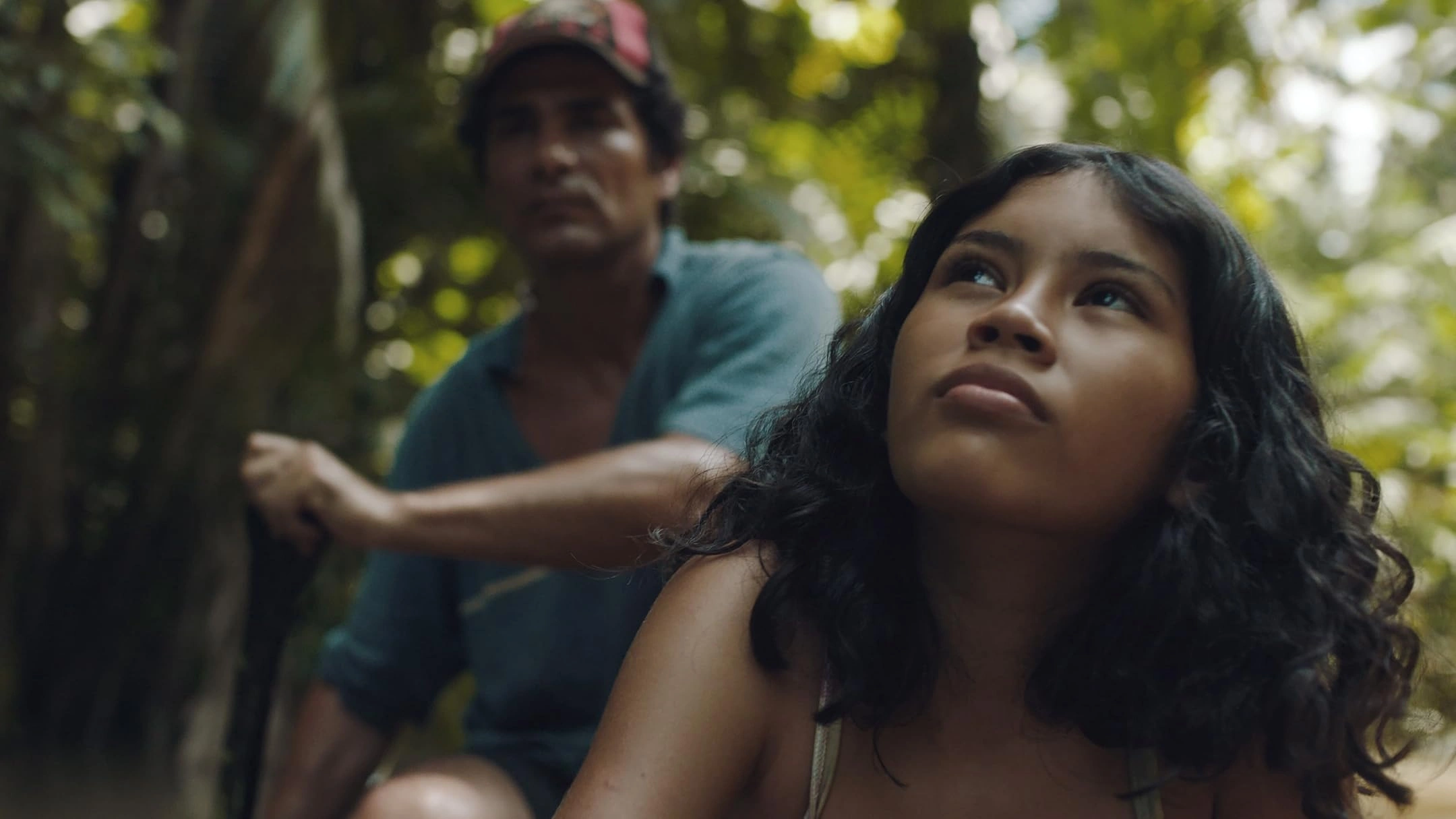
Ropes and family hammocks, the materials of rest and routine, begin to resemble the architecture of confinement. In several remarkable passages, the camera floats half-submerged in murky water, creating a mood suspended between concealment and drowning. Editor Isabela Monteiro de Castro ties these heavy images to the slow, elemental pulse of the river, so the sudden eruptions of domestic terror land with piercing force.
The filmmakers omit explicit physical violence and place their faith in implication. The horror lives in aftermath: the heavy breath of a predator, the silent washing of a stained garment, the unbearable interval after harm has already entered the room. These details carry an existential pressure that marks the consciousness through absence, suggestion, and the terrible quiet of recognition.
The Fragile Logic of Retribution
Born from a decade of meticulous documentary research, the narrative strains to reconcile sociological responsibility with the familiar machinery of a fictional coming-of-age drama. Manas operates as an urgent, awareness-driven record of generational violence, tracing the maintenance of female subordination through social silence and geographic isolation.
The film’s deepest tension appears when the script tries to answer a structural crisis through standard cinematic release. The cycle of trauma threatens to renew itself when Tielle discovers her younger sister, Carol, being led into the jungle for a hunting excursion under her father’s guidance. In a sudden act of defined agency, Tielle turns the survival tactics taught by her oppressor against him, using his shotgun to carry out physical retribution.
The movement toward revenge gives the audience instant emotional catharsis and creates a grave thematic fracture. By presenting an individual act of domestic execution as resolution, the film risks reducing a complex sociological reality to a single violent answer, implying that centuries of entrenched structural trauma can be cut from a community by the desperate pull of one trigger.
Manas originally made its world premiere at the Venice International Film Festival on September 2, 2024, where director Marianna Brennand was honored with the Director’s Award in the Giornate degli Autori sidebar. Following an extensive run on the international festival circuit, the heavy dramatic feature secured a theatrical rollout in Brazil on May 15, 2025. This project reached specialized cinemas in the United States on May 22, 2026, through boutique distributor KimStim, starting with an exclusive engagement at Film Forum in New York. Audiences looking to watch the film digitally can access it through specialized regional VOD networks and broadcast syndications, including Canal Brasil, Looke, and Vivo Play.
Full Credits
Title: Manas
Distributor: KimStim, Paris Filmes
Release date: September 2, 2024 (Venice International Film Festival), May 15, 2025 (Brazil), May 22, 2026 (United States)
Running time: 101 minutes
Director: Marianna Brennand
Writers: Felipe Sholl, Marcelo Grabowsky, Marianna Brennand, Antonia Pellegrino, Camila Agustini, Carolina Benevides
Producers and Executive Producers: Carolina Benevides, Marianna Brennand, Marcelo Maximo, Walter Salles, Jean-Pierre Dardenne, Luc Dardenne, Sean Penn
Cast: Jamilli Correa, Fátima Macedo, Rômulo Braga, Dira Paes, Ingrid Trigueiro, Emily Pantoja, Daniel Rodrigues, Samira Eloá
Director of Photography (Cinematographer): Pierre de Kerchove
Editors: Isabela Monteiro de Castro
The Review
Manas
Manas stands as a searing, aesthetically rigorous examination of systemic trauma, anchored by Jamilli Correa's remarkably grounded performance. While its observational style and heavy reliance on implication create a deeply atmospheric sense of dread, the script occasionally falters by reducing its complex social realities to flat archetypes and a conventional revenge narrative. It remains a challenging, necessary piece of global cinema that confronts silence with immense formal beauty.
PROS
- A raw, deeply empathetic lead performance by non-professional actress Jamilli Correa.
- Evocative, naturalistic cinematography by Pierre de Kerchove that utilizes water and light motifs.
- A restrained narrative approach that favors atmospheric implication over graphic sensationalism.
CONS
- Secondary characters are kept as flat archetypes rather than fully developed individuals.
- The final act pivots into a rushed revenge convention that oversimplifies deep sociological issues.
- The narrative occasionally flattens into a repetitive cycle of victimization.