


















I remember late college nights spent watching old-school medical thrillers that turned spotless hospital hallways into places of pure panic. Marion Le Corroller draws from that same primal unease in her debut feature, Species, co-written with Thomas Pujol. Originally titled Sanguine, the film throws viewers into a frantic emergency room inside a French hospital, then keeps the pace racing from its first major crisis.
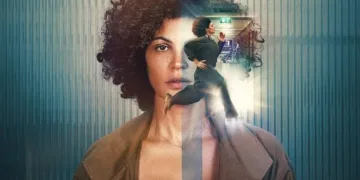
We move through that pressure with Margot, a young medical intern played with fierce concentration by Mara Taquin. Her case load takes a horrifying turn when young patients arrive with frightening skin lesions and unexplained heavy bleeding.
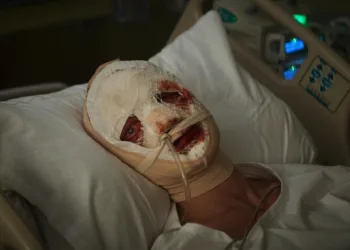
Before she can make sense of the condition, Margot realizes she has contracted the same stress-triggered physiological affliction. Le Corroller shapes the film as raw modern body horror, linking bodily collapse to workplace pressure and twisting viral-outbreak expectations into a savage portrait of an economy that consumes its youngest workers.
The Corporate Mutation and Capitalist Contagion
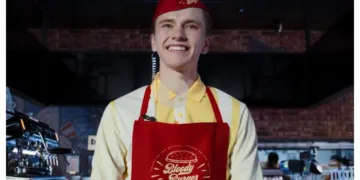
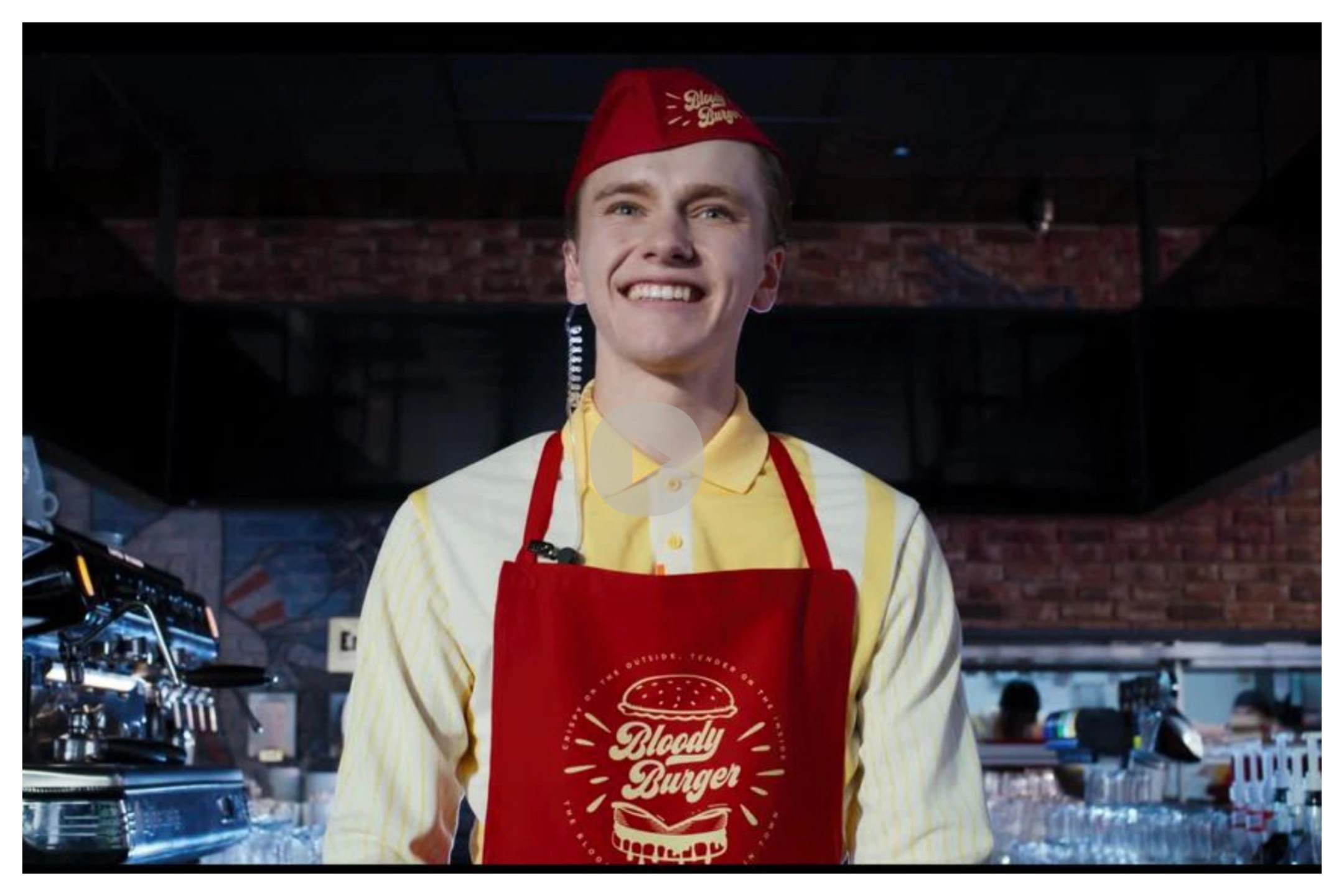
The film lays its thematic groundwork through a grim prologue at a fast-food restaurant called “Bloody Burger.” A server, pushed past her limit by harsh customer pressure, violently attacks a TikTok influencer. That opening gives the story a frightening logic. The fictional virus follows a clear pattern, striking young professionals trapped under intense workplace stress. It moves through stockbrokers, freelance journalists, and medical staff, turning career anxiety into a visible sickness.
Le Corroller builds a cruel irony into the mutation. As Margot’s lesions worsen and her skin begins to shed, she enters a brief state of frightening hyper-efficiency. She performs medical procedures with sudden perfection, delivers instant diagnoses, and rises on corporate performance charts.
The script becomes a sharp social allegory aimed at modern productivity culture. Young adults alter their bodies to meet brutal workplace expectations, and the film treats corporate demand as a form of biological possession. The infected become ideal instruments for their employers, then crash into psychological ruin.
That idea gives Species its strongest bite. The story uses body horror to examine a recognizable cultural fear: the sense that work now asks for total physical and emotional surrender. Its shape carries the restless spirit of independent horror, using genre elements to attack contemporary social systems.
Pressure Cooker Performance and Broken Connections
Mara Taquin gives Margot’s transformation its emotional force through a performance built on physical strain. She captures the drained posture, scattered attention, and brittle energy of someone buried under responsibility. Her heavy movements and blank stares make the desperation feel bodily before the horror effects fully take over.
That desperation meets the icy authority of Professor Gervier, played with sharp precision by Karin Viard. Gervier represents institutional pressure in human form, demanding speed, patient turnover, and perfect output while stripping empathy from the hospital routine.
Margot searches for steadiness among the other interns. Louis, played by Sami Outalbali, offers a grounded presence that keeps her tied to a sense of ordinary humanity. Pauline, played by Kim Higelin, brings a fierce competitive charge, pushing Margot from another angle inside the same workplace machine.
The smaller romantic threads feel thin at first glance. I initially read them as missed dramatic opportunities. On closer inspection, their lack of fullness fits the film’s view of professional life. These young people have schedules, stress, and survival instincts where intimacy should have room to breathe. Possible relationships become brief exchanges, quick sparks swallowed by the next emergency. That choice keeps the drama fixed on performance pressure and the social damage it leaves behind.
Crimson Corridors and The High-Velocity Soundscape
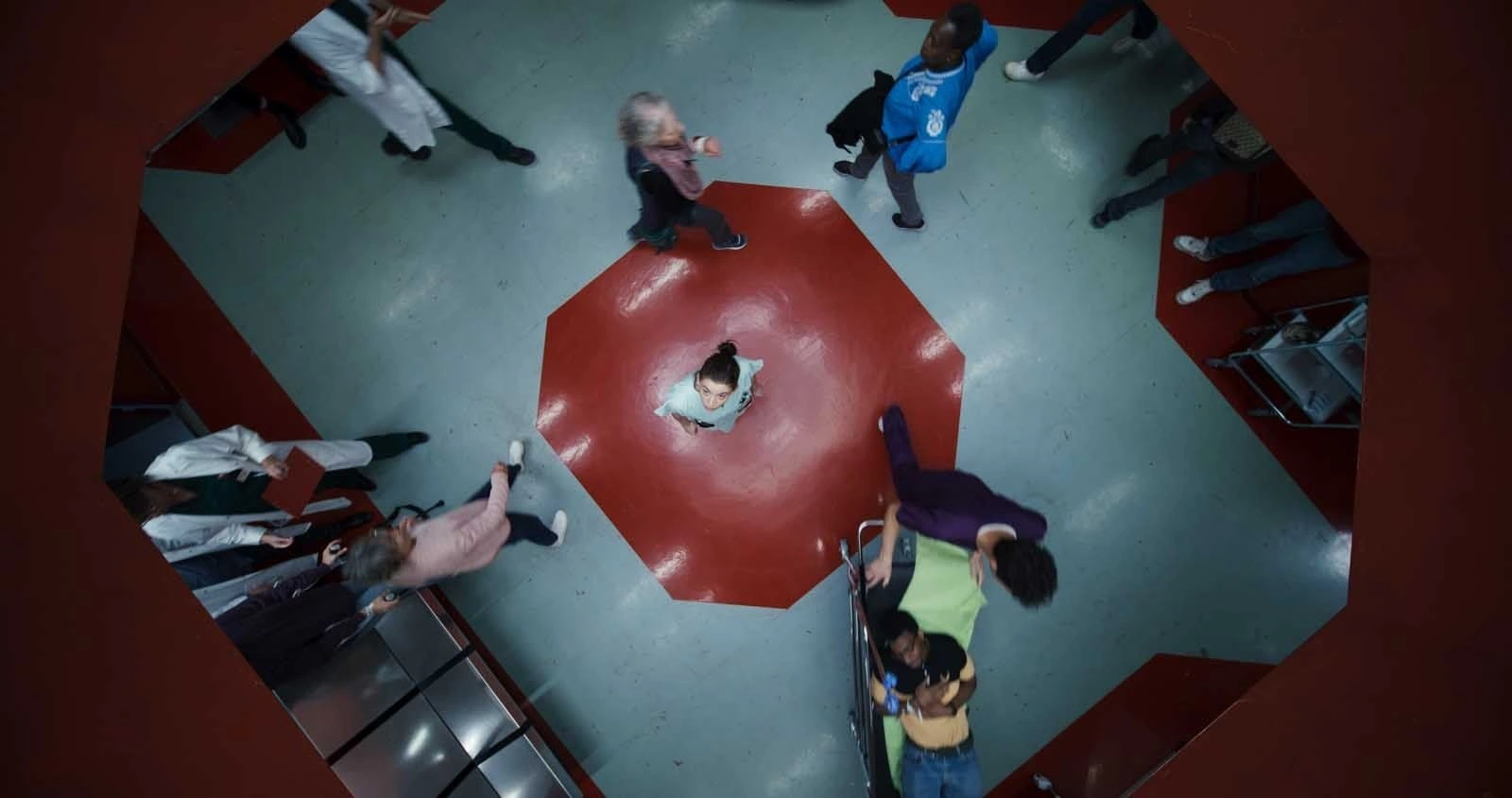
The film’s technical craft hits with immediate force, drawing on the bold visual language of modern independent horror. Anne-Sophie Delseries creates a suffocating production design, placing Margot inside windowless hospital spaces that feel like sealed chambers. Deep red dominates the visual field, spreading across walls, bodily fluids, and clothing until the hospital seems infected by its own color scheme.
Cinematographer Guillaume Schiffman pushes that panic further through aggressive camera choices. Body-mounted shots, tilted framing, and wide fisheye lenses place us inside Margot’s destabilized mental state. The image rarely feels calm, which suits a film set inside a medical system running at dangerous speed.
Pierre-Olivier Persin’s makeup effects bring a wet, tactile intensity that will test squeamish viewers. The camera lingers on peeling skin, painful acid applications, and heavy bleeding with graphic commitment. Those images pair beautifully with ROB’s electronic score. The music runs on a heavy, driving pulse that feels close to a racing heartbeat, matching the emergency room’s relentless rhythm.
As someone who loves electronic music, I found the synth work especially satisfying because it heightens the tension without drowning the scene. The distorted images and pounding sound design turn Margot’s breakdown into a sensory assault, giving Species a harsh, memorable physical charge.
Species premiered in May 2026 at the 79th Cannes Film Festival within the Midnight Screenings section. The narrative centers on a young medical intern who begins developing a strange, stress-induced biological mutation while working inside a chaotic French emergency room. Because this feature film has just debuted on the international festival circuit, wide theatrical release dates and commercial streaming platform availability remain unconfirmed, though international sales distribution is managed by WTFilms.
Full Credits
Title: Species
Distributor: WTFilms
Release date: May 2026
Director: Marion Le Corroller
Writers: Marion Le Corroller, Thomas Pujol
Producers and Executive Producers: Windy Production, Trésor Films, Anga Productions, France 2 Cinéma, Panache Productions, La Compagnie Cinématographique, RTBF, Be tv, Proximus
Cast: Mara Taquin, Karin Viard, Sami Outalbali, Kim Higelin, Sonia Faidi
Director of Photography (Cinematographer): Guillaume Schiffman
Composer: ROB
The Review
Species
Species succeeds as a visceral, biting satire that transforms standard body horror into a sharp critique of economic exploitation. Marion Le Corroller delivers an uncompromising debut, anchored by Mara Taquin's exhausting physical performance and Guillaume Schiffman's frantic camera choices. While certain minor character arcs receive less attention than they deserve, the film remains a memorable sensory experience that successfully captures contemporary workplace anxieties. It is a wet, bloody, and thoroughly effective entry into modern independent horror.
PROS
- Mara Taquin’s intense and deeply physical performance effectively mirrors corporate burnout.
- The dark, ironic narrative device of hyper-efficiency adds an original twist to the viral outbreak genre.
- Guillaume Schiffman’s use of body-mounted cameras and fisheye lenses creates an immersive, claustrophobic atmosphere.
- Pierre-Olivier Persin’s practical makeup effects offer top-tier gore for genre enthusiasts.
CONS
- The romantic subplots between the medical interns remain underdeveloped.
- The rapid narrative pace occasionally glides over deeper character development for the supporting cast.