





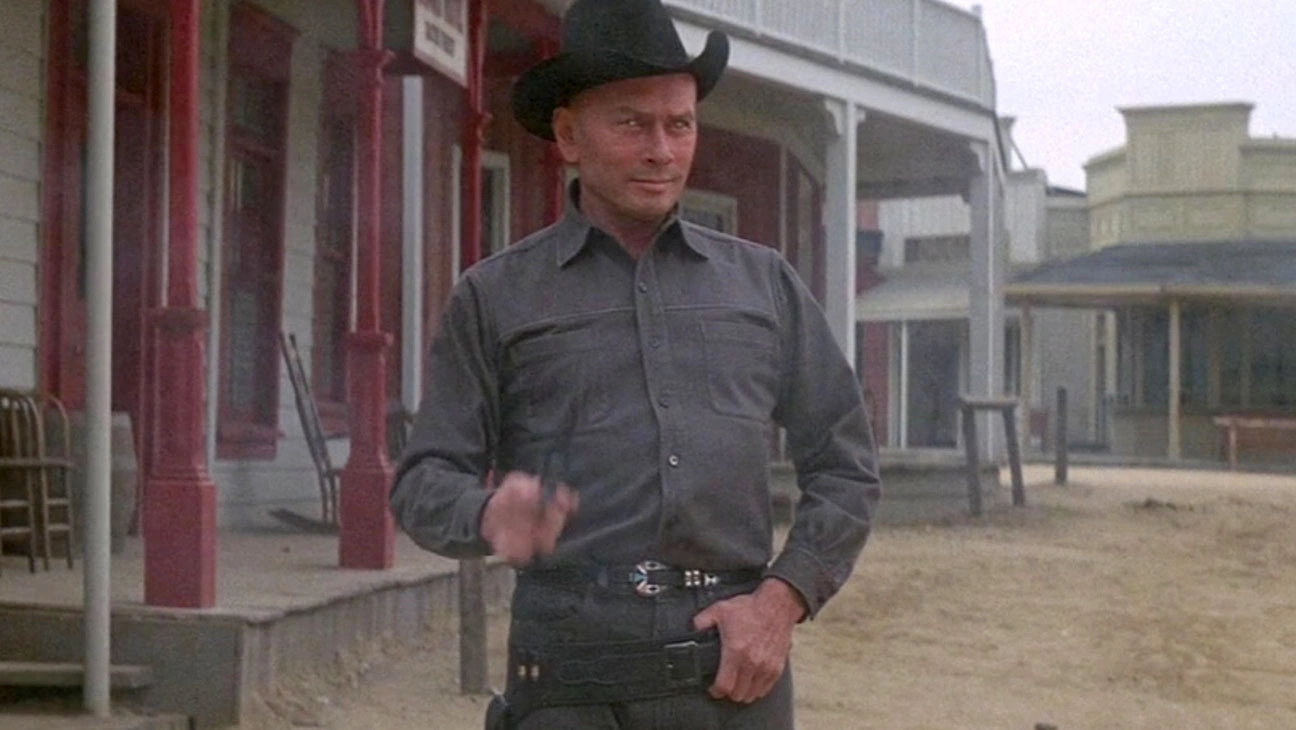

Warner Bros. is developing a feature film remake of Westworld, the 1973 sci-fi thriller written and directed by Michael Crichton, with David Koepp — the screenwriter who adapted Crichton’s Jurassic Park for Steven Spielberg — hired to write the script. No director is attached to the project.
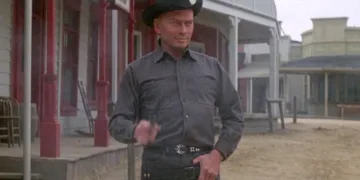
The original film, a minor box office hit that earned $10 million for MGM on a budget of just $1.2 million, followed wealthy visitors at a robot-populated theme park set in a simulated Old West. The androids malfunction and begin killing guests, with Yul Brynner delivering one of cinema’s most iconic villain turns as an expressionless, relentless Gunslinger.
Koepp’s version will take the original 1973 film as its template rather than the acclaimed HBO series that ran from 2016 to 2022. The distinction matters: the HBO adaptation, created by Lisa Joy and Jonathan Nolan, expanded Crichton’s premise into a sprawling exploration of artificial consciousness and human cruelty that eventually overwhelmed its own ambitions. The show won nine Emmy Awards and received 54 nominations, but after its fourth season in 2022, plans for a fifth and final season collapsed and HBO removed the series from its streaming platform entirely.
Warner Bros., which also owns the HBO series, is currently in the process of being sold to Paramount Skydance, a transaction that could disrupt the studio’s development slate.
Koepp brings an unusually apt pedigree to the material. His career is built in large part on Crichton — he wrote both Jurassic Park and its sequels, which share the same core premise as Westworld: a high-tech attraction engineered by corporate ambition that collapses into lethal chaos. He is currently awaiting the June 12 release of Disclosure Day, his UFO thriller for Spielberg, and last year saw two of his scripts reach theaters — the Soderbergh ghost story Presence and the spy film Black Bag.
The original Westworld carries an unexpectedly prescient legacy. A key plot point involved engineers who could not render the robots’ hands convincingly — a limitation that still dogs AI image generation five decades later. Crichton later recycled the concept of an entertainment attraction run by technology that turns on its creators for Jurassic Park. That lineage gives the remake a built-in cultural argument for its own existence, whatever a finished script eventually looks like.