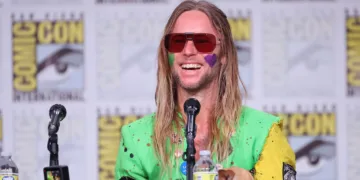























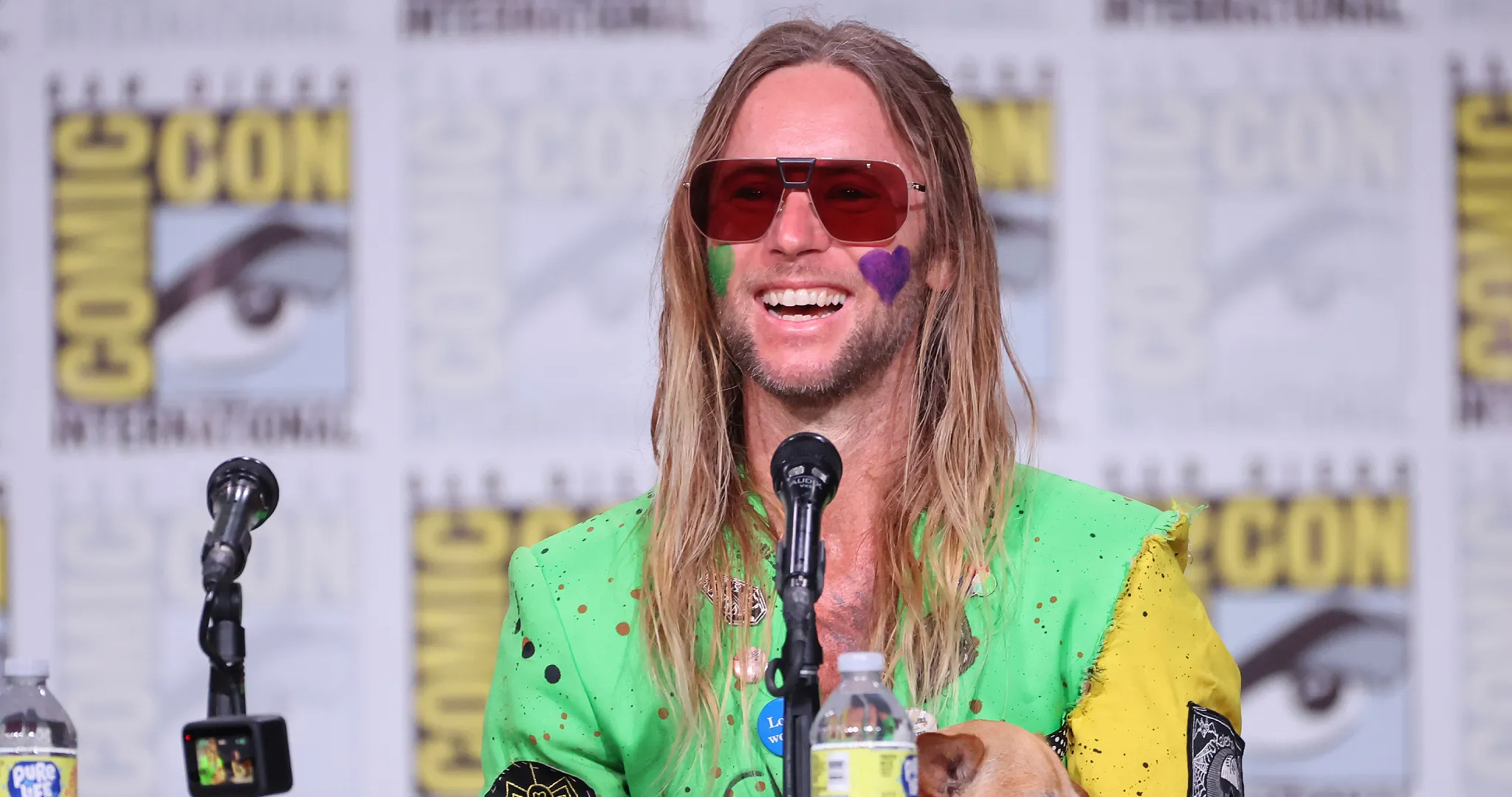

Greg Cipes, the longtime voice of Beast Boy on Teen Titans Go, says he was removed from the series after revealing his Parkinson’s diagnosis, a claim that has sparked a fan-led #savebeastboy push and a dispute over the circumstances of his exit. In comments posted under a widely shared Instagram reel, Cipes wrote that Warner Bros. “literally fired me on Valentine’s Day right after I publicly shared my Parkinson’s diagnosis,” adding that producers were seeking a sound-alike to replace him.
A person close to the production pushed back, saying producers approached Cipes about stepping down due to performance concerns, offered to create a new character for him to voice, and began discussing a development deal to keep him involved; the source said he recorded scripts for the proposed character. The same account said the decision was unrelated to his diagnosis.
Cipes, who has voiced Beast Boy across multiple DC animated projects since 2003, framed the decision as discriminatory and said other original cast members remained in place without reauditioning. Earlier this year, he publicly thanked the studio and colleagues for support following his diagnosis, a message that contrasted with his current allegation and has been recirculated as the dispute gained traction online.
The exchange lands in a sensitive area for the animation business, where vocal consistency is a key creative and commercial consideration and where health conditions can affect performance in ways that are not always visible to audiences. U.S. employment law bars discrimination against qualified workers with disabilities while allowing employers to enforce legitimate performance standards tied to essential job functions, a balance that often turns on specific facts that are not public in casting disputes.
As the social-media campaign grows, neither the studio nor the network has issued a formal on-the-record statement, and it remains unclear who will voice Beast Boy in upcoming episodes. What is clear is the scale of Cipes’ connection to the role after nearly two decades and the intensity of audience response that followed his claim, underscoring how voice casting decisions can quickly become lightning rods when beloved characters are involved.