















The modern world is saturated with the language of branding, a corporate dialect that has seeped into personal identity itself. We are told to build our own brands, to market our lives, to curate an authentic image for public consumption. Television, especially the reality competition genre, has long capitalized on this phenomenon, turning professional disciplines into spectator sports. On Brand With Jimmy Fallon enters this arena with a concept that feels both timely and curiously antiquated.
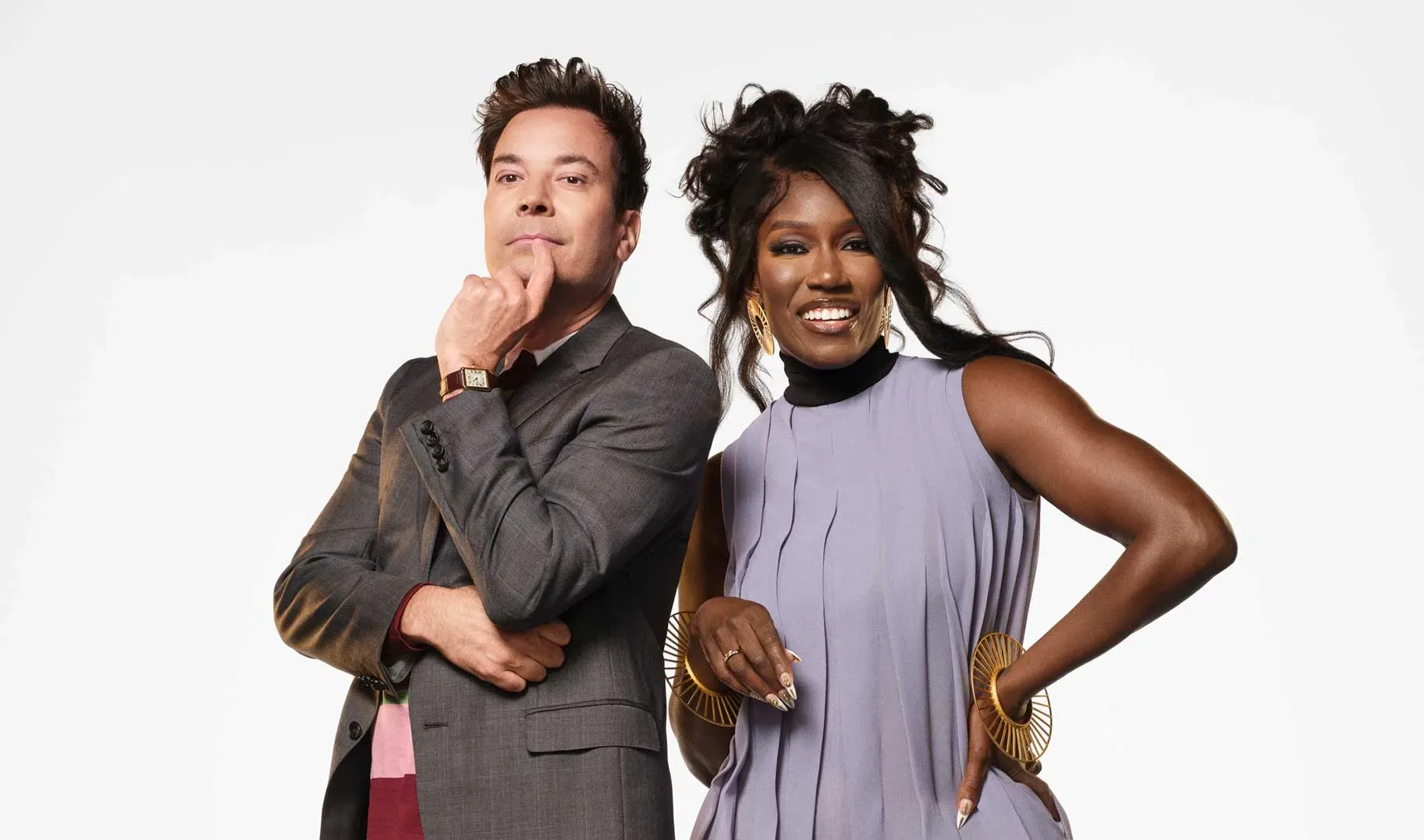
It proposes to pull back the curtain on the advertising industry, a world of immense cultural power, by packaging its creative process into a weekly elimination game. The show establishes a fictional agency, “On Brand,” led by host Jimmy Fallon in the role of CEO and supported by esteemed marketing executive Bozoma Saint John as Chief Marketing Officer.
Ten contestants, selected from various professions, are invited into this high-gloss corporate environment to compete for a $100,000 prize and a feature in Adweek. Their battleground involves creating real campaigns for massive corporations like Dunkin’, lending the proceedings a veneer of tangible, real-world stakes. The show’s premise asks whether true innovation can be born from such a manufactured, high-pressure environment.
The Illusion of the Creative Process
The operational structure of On Brand is a testament to the demands of televised entertainment over the realities of professional creation. Each episode adheres to a rigid, almost punishing, timeline that dictates every creative act. The cycle begins with a client presentation, where a major corporation outlines a marketing objective. Immediately following this, the ten contestants are isolated and given just sixty minutes to formulate a comprehensive campaign from scratch.
This extreme time compression is the show’s central mechanical conceit. In the professional advertising world, ideation is a process of research, collaboration, and incremental refinement that can take weeks or months. Here, it is reduced to a frantic sprint, forcing contestants to rely on instinct and pre-existing templates rather than deep, strategic thinking. This artificial pressure guarantees a certain kind of on-screen energy, a visible display of stress and urgency, but it fundamentally compromises the quality of the work being produced.
Once these initial pitches are delivered, corporate executives select two concepts to advance. The chosen contestants, now acting as team leads, are given a single day to build out their campaigns. This phase introduces new, complex requirements, such as developing a line of merchandise or producing video assets.
This again creates a spectacle of impossible deadlines. The logistics of fabricating hundreds of custom boxes or manufacturing plastic promotional items in under 24 hours are glossed over, suggesting a great deal of production assistance happens off-screen. This disconnect between the presented timeline and the visible results erodes the show’s credibility. The final stage of the competition involves a public market test, where the two campaigns are presented to a sample audience.
The feedback is then used by the executives to make their final decision. This part of the format, meant to inject a dose of real-world validation, often feels staged, with audience reactions edited for maximum dramatic effect.
The consequences of this entire compressed structure are clear in the final products, which frequently feel underdeveloped or misaligned with the very brands they are meant to serve. The selection of a winning campaign can feel arbitrary, as seen in the Dunkin’ challenge, where the chosen idea was arguably less coherent with the company’s established identity than the losing one.
A Void in Leadership and Talent
A competition show’s success often rests on the credibility of its judges and the compelling stories of its contestants. On Brand struggles in both areas, presenting a cast of characters who feel more like archetypes than fully realized individuals. Jimmy Fallon, as the celebrity CEO, performs a role perfectly aligned with his public persona. He is encouraging, perpetually cheerful, and quick with a joke, acting as a benevolent figurehead.
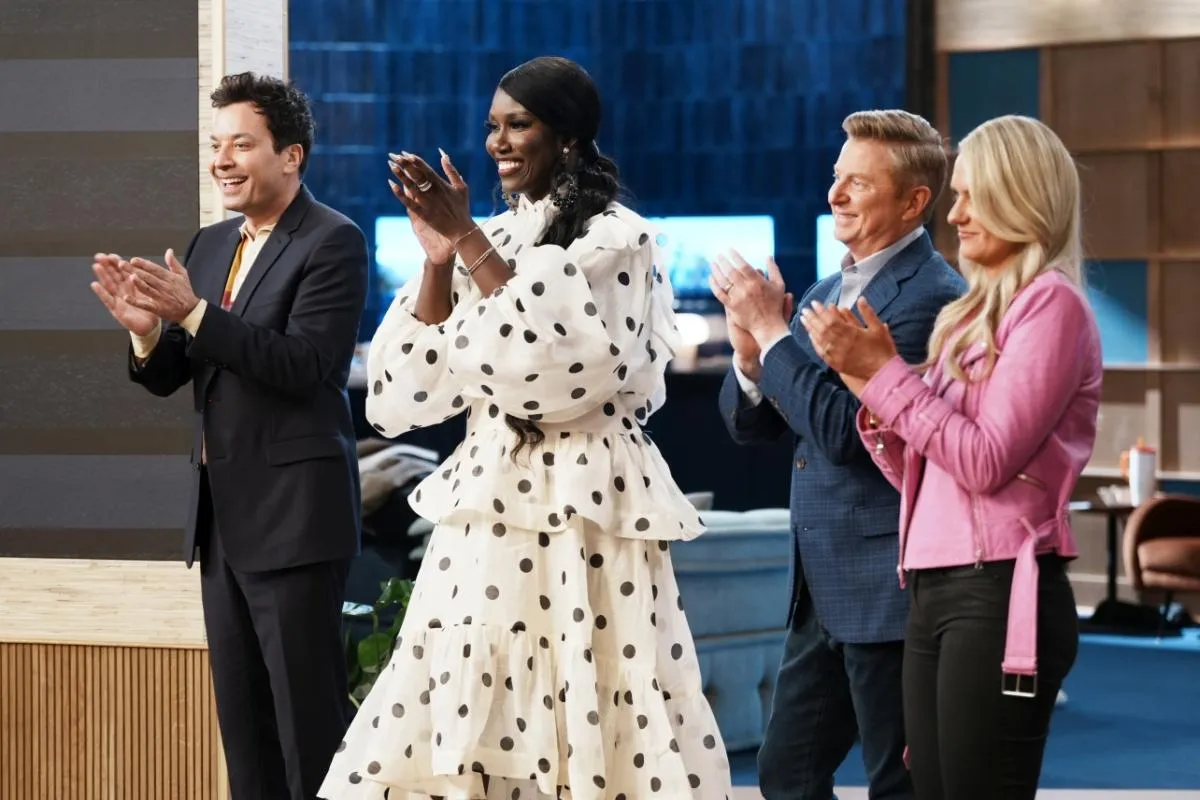
His contributions to the actual marketing discussions, however, are consistently superficial. He offers shallow observations that rarely penetrate the surface of a creative idea. This affable demeanor is occasionally broken by moments where he openly mocks the more misguided pitches, creating a confusing tonal shift. Is he a supportive mentor or simply a host looking for an easy laugh? The show never provides a clear answer, leaving his role feeling hollow.
Beside him stands Bozoma Saint John, a genuine titan of the marketing industry with a formidable resume. Her presence lends the show an air of authority that it otherwise lacks. Yet, the series fails to utilize her expertise in any meaningful way. She is positioned as the sharp, insightful CMO, but her on-screen contributions are largely confined to delivering generic platitudes about the importance of “big ideas” and the need to push creative limits.
The audience is rarely given access to specific, actionable critiques or in-depth strategic guidance that she could undoubtedly provide. This reduction of a true expert to a dispenser of soundbites is a profound missed opportunity. It suggests the show is more interested in her title than her knowledge.
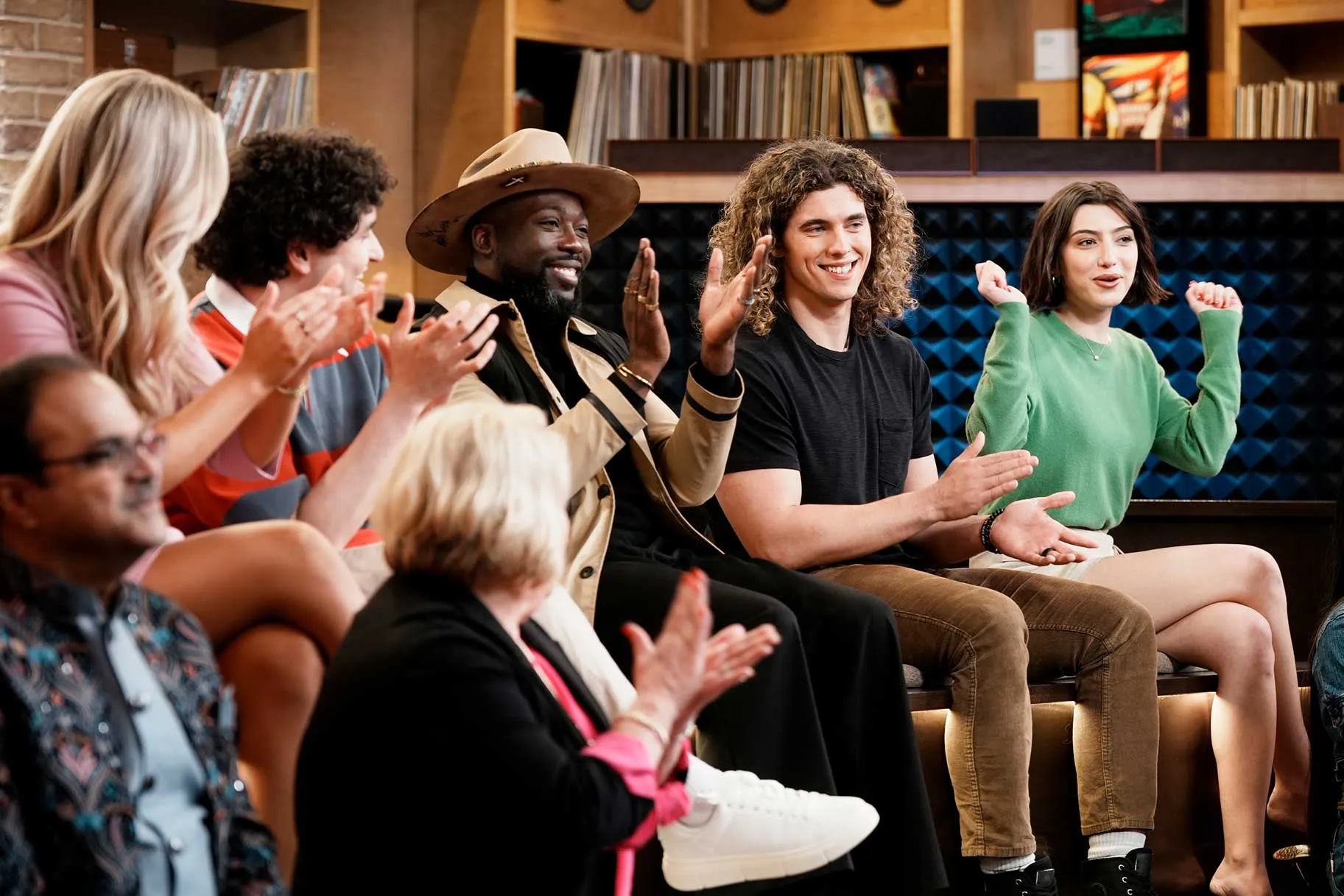
The contestants themselves are a diverse group, ostensibly chosen to represent a cross-section of modern creativity. The cast includes a real estate agent, an influencer, and even a honkytonk emcee. While this variety makes for interesting on-paper dynamics, the show’s rapid pacing and large cast size prevent any of them from developing into compelling figures. We learn very little about their individual creative philosophies or working methods.
Their stories are told through brief, formulaic confessionals that focus on emotional reactions instead of intellectual process. Furthermore, a number of the contestants appear to lack even a basic understanding of marketing principles. This results in pitches that are not just uninspired but strategically unsound, lowering the overall quality of the competition and making it difficult for the viewer to invest in the outcome.
A Blueprint for Uninspired Television
The core concept of On Brand holds a degree of promise, yet the show’s execution is undermined by its rigid adherence to the most tired conventions of reality television production. The 42-minute runtime, a standard for American network programming, forces a frantic pace that works directly against the subject matter. There is simply not enough time to introduce the client, explain the challenge, witness the creative process, watch the pitches, see the refinement, and conduct an elimination without making significant sacrifices.
The primary casualty is the creative process itself. The editing completely excises the difficult, often messy, work of developing an idea. We see contestants scribbling on notepads and then, moments later, presenting a fully formed concept. This narrative leap leaves the audience disconnected from the work, unable to appreciate the intellectual labor involved or to form their own opinions about the quality of the ideas.
This structural problem is compounded by a production style that prioritizes manufactured drama over authentic documentation. The series relies on a playbook of reality TV tropes, from tearful interviews about personal stakes to engineered rivalries between contestants.
The emotional landscape of the show feels inauthentic, with participants swinging between extreme excitement and crushing disappointment in a way that seems prompted by producers. This choice robs the show of the chance to be a genuinely insightful examination of the advertising world, opting instead to be just another competition program with a different coat of paint.
The show’s visual language further detracts from the experience. The camera work is relentlessly kinetic, employing the kind of dizzying quick cuts and agitated movements that have become a hallmark of the genre. While this style is meant to create a sense of energy, it often becomes distracting, preventing the viewer from being able to focus on the details of the campaign materials being presented.
A pitch deck, a piece of merchandise, or a video advertisement flashes on screen for a second before the camera cuts away to a reaction shot. This stylistic choice actively works against the show’s premise, making it difficult to engage with the very work the contestants are being judged on. The combination of rushed pacing, superficial editing, and distracting cinematography ensures the show remains a shallow exploration of its subject.
On Brand with Jimmy Fallon is a reality competition series that premiered on September 30, 2025, on NBC. The show, which is hosted and created by Jimmy Fallon, challenges ten aspiring marketing professionals who are part of the fictional “On Brand Agency” to create marketing campaigns for real major brands, such as Dunkin’, Southwest Airlines, and Marshalls. Marketing executive Bozoma Saint John serves as the Chief Marketing Officer and a mentor/judge to the contestants. The contestants compete for a cash prize and the title of “Innovator of the Year.” The series is available to watch on NBC and for streaming on platforms like Peacock Premium, fuboTV, Amazon Video, and Apple TV.
Full Credits
The Review
On Brand With Jimmy Fallon
On Brand With Jimmy Fallon presents an intriguing concept but squanders its potential through flawed execution. The series prioritizes formulaic reality TV drama over a genuine exploration of the creative process, resulting in a hollow viewing experience. With superficial guidance from its hosts and a rushed production that obscures the contestants' work, the show fails to deliver meaningful insight into the world of advertising. It is a missed opportunity that feels more like a hastily assembled pitch than a fully realized campaign.
PROS
- Features a relevant and interesting premise centered on the modern advertising industry.
- The use of real-world corporate clients like Dunkin' provides a tangible sense of stakes.
- The presence of a respected industry expert, Bozoma Saint John, lends the show initial credibility.
CONS
- Rushed pacing and unrealistic timelines undermine the authenticity of the creative challenges.
- The editing style skips over the actual development process, leaving viewers disconnected from the work.
- Heavy reliance on generic reality television tropes and manufactured emotional drama.
- Guidance from the hosts is superficial, with Fallon's input lacking depth and Saint John's expertise being underutilized.
- The contestants are poorly developed, and some lack the marketing skills to make the competition compelling.
- Distracting camera work and overly quick cuts make the show difficult to follow.