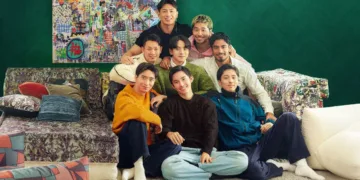




























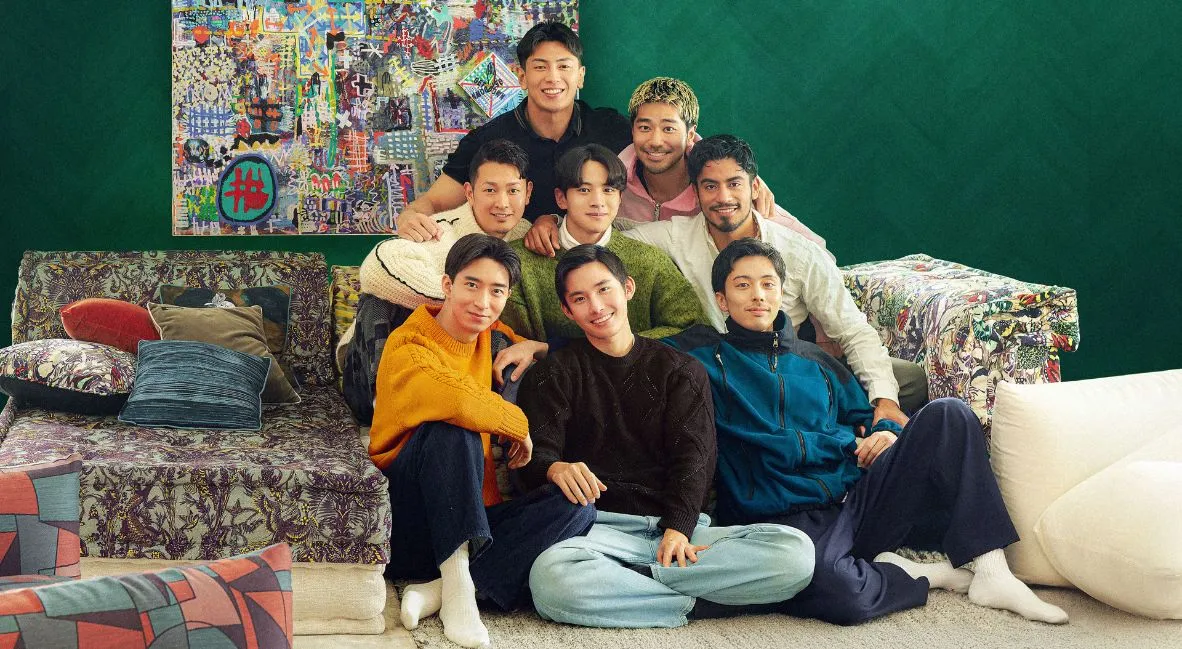

Netflix Japan returns to its landmark same-sex dating series for a second season, swapping summer beaches for the frost-bitten scenery of Hokkaido. Eight men move into a sleek cottage called the Green Room, a name borrowed from the calm pocket inside a breaking wave.
The idea is simple: live together, run a mobile coffee business, and see what feelings show up once the lattes and the laundry start piling up. The stay lasts sixty days. The group includes Bomi, Hiroya, Huwei, Izaya, Jobu, Kazuyuki, and William, juggling domestic routines with shifts on the coffee truck.
The studio panel is back, too, doing what a good panel does: watching closely and saying the quiet part out loud. Megumi, Chiaki Horan, Thelma Aoyama, Durian Lollobrigida, and Yoshimi Tokui track the social temperature from a distance as the men try to brew something that lasts.
The production keeps the premise clean and lets the setting do some heavy lifting. Shared chores, snowy nights, and long stretches of time create a grounded rhythm. The show also sidesteps the frantic vibe common to reality dating TV, leaning into a slow burn shaped by the stillness of Japan’s northern winter.
The Art of the Slow Pour
The production team stretches the experiment this time. The season runs two months instead of one, landing at fifteen episodes. That extra time changes the pacing in a meaningful way. The narrative has room to breathe, and the connections feel earned because the show spends time on the incremental work of getting comfortable with strangers.
The structure helps, too. Coffee truck shifts become a practical stage for intimacy, putting two men side by side in a tight workspace where teamwork turns into a kind of private language. They learn each other’s rhythms through service, and that repeated routine creates closeness without the show needing to shove anyone toward a “big moment.”
Each day ends with a ritual that fits the season’s tone: anonymous letters left at bedroom doors. It’s a low-stakes signal of interest, and it keeps the emotional temperature controlled. The format also avoids the aggressive energy familiar from Western dating shows. There are no loud, producer-friendly blowups engineered to spike tension on schedule.
The atmosphere stays supportive, and the edit commits to the small stuff. A shared meal, a pause in the kitchen, a look held a beat longer than usual, these become the season’s currency. The patient pacing rewards attention because the feelings get time to ripen, and the stakes register because the show lets the men sit with what they feel instead of sprinting past it. Reality TV, slowed down to a human walking pace. Imagine that.
Ghosts in the Green Room
This cast arrives with a wide range of lived experience, and the season uses that mix to shape its social dynamics. There’s a global angle in William, who is Peruvian-Japanese, and in Huwei, a Thai national-team athlete. Izaya comes from Australia. The age gap adds another layer to the household dynamic. Ryuki is a twenty-year-old student. Kazuyuki is forty. That spread creates moments that feel like mentorship, with older experience naturally changing the tone of certain conversations and conflicts.
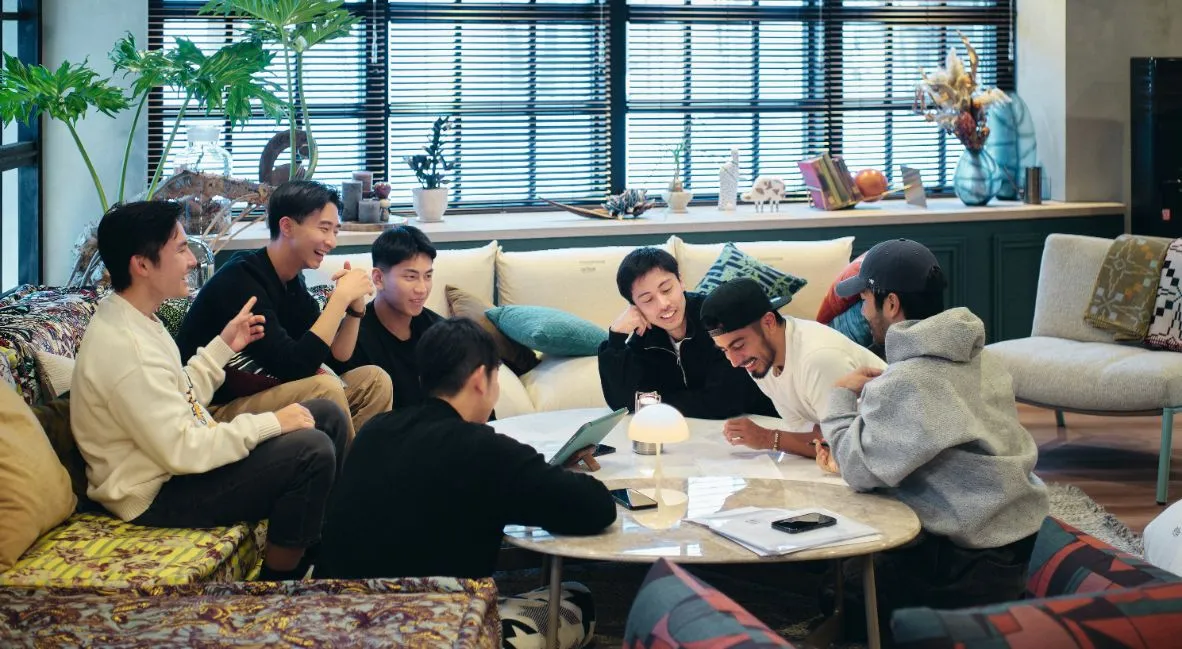
A new wrinkle complicates things further: pre-existing history. Some of the men knew each other before the cameras arrived. Jobu recognizes several roommates and hints at past flings. That history hangs in the air, shaping first impressions and changing what “new” even means inside this house. The most charged thread involves William and Izaya, because William ghosted Izaya years ago.
Their reunion forces an immediate confrontation, and the show treats it with maturity. It refuses the typical reality-TV showdown rhythm, keeping the focus on direct conversation instead of fireworks. The men talk through mistakes with surprising clarity, and that honesty sets a tone that echoes through the rest of the group.
The season also makes its priorities clear. Romance matters, yet the show keeps highlighting genuine bonds as the real achievement. Friendship becomes something the series values openly, and the camera stays close to the ways these men support each other. They carry shared history into the present, then try to build something healthier inside the same four walls. The result feels less like a competition and more like a household working out what care looks like in real time.
Quiet Revolutions and Hot Springs
The series works as a window into a specific cultural reality. Japan still does not have legal same-sex marriage, and the political climate can feel restrictive for the queer community. That context adds weight to conversations that might read as casual in a different setting.
Ryuki talks about his fear of coming out to his family, and the vulnerability lands because the show gives it space. The men also discuss marriage itself from different angles. William describes how time in Spain shifted his perspective after seeing married gay couples abroad, and that experience clarifies what he wants.
These conversations move beyond the usual dating-show chatter and land on something more fundamental: the desire for recognition, stability, and a future that feels possible. The season also faces darker material. Some participants speak openly about past failures in love and the difficulty of staying open after getting hurt.
The show balances those heavier beats with lighter scenes that reset the emotional tempo. A trip to the hot springs offers relief, letting the group relax and enjoy each other’s company without the pressure of defining every feeling on camera. It’s a reminder of the simple relief of finding a tribe.
This season succeeds by treating these lives with dignity and letting the format do quiet work instead of loud tricks. Sixty days, a coffee truck, a snowy house, and a stack of anonymous letters. Is that enough time for someone to step into a different version of their life?
The Boyfriend Season 2 premiered on Netflix in January 2026. This season brings the cast to the snowy hills of Hokkaido for a fresh experience. Subscribers can find every episode available for streaming on the Netflix platform globally. It continues the focus on genuine connection within a shared living space.
Full Credits
Title: The Boyfriend Season 2
Distributor: Netflix
Release date: January 13, 2026
Rating: TV-MA
Running time: 45 to 60 minutes
Director: Keisuke Hino
Writers: Taiki Kawakami
Producers and Executive Producers: Mitsuko Shiga, Dai Ota, Hitoshi Fujita
Cast: Megumi, Chiaki Horan, Thelma Aoyama, Durian Lollobrigida, Yoshimi Tokui, Huwei, William, Izaya, Bomi, Hiroya, Jobu, Kazuyuki, Ryuki
Director of Photography (Cinematographer): Kohei Higuchi
Editors: Takeshi Onodera
Composer: Various Artists
The Review
The Boyfriend
This season succeeds by leaning into the quiet discomfort of long-term proximity. The extended timeline replaces the rush of the debut with a more patient exploration of queer life in Japan. It avoids cheap thrills. Instead, it offers a thoughtful look at friendship and second chances. The snowy backdrop provides a quiet intimacy that makes the emotional honesty feel vital. It is a rare dating show that respects the intelligence of its audience and the hearts of its participants.
PROS
- The extended stay allows for more natural bonding between the bachelors.
- A diverse cast offers a sincere look at different life stages and backgrounds.
- The Hokkaido setting creates a beautiful, calm atmosphere for the narrative.
CONS
- Repeated focus on kitchen duties can feel slow in certain episodes.
- Some cast members receive significantly less attention in the final edit.