




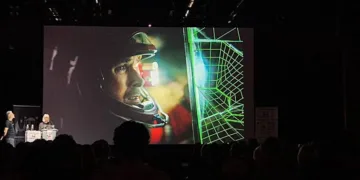
























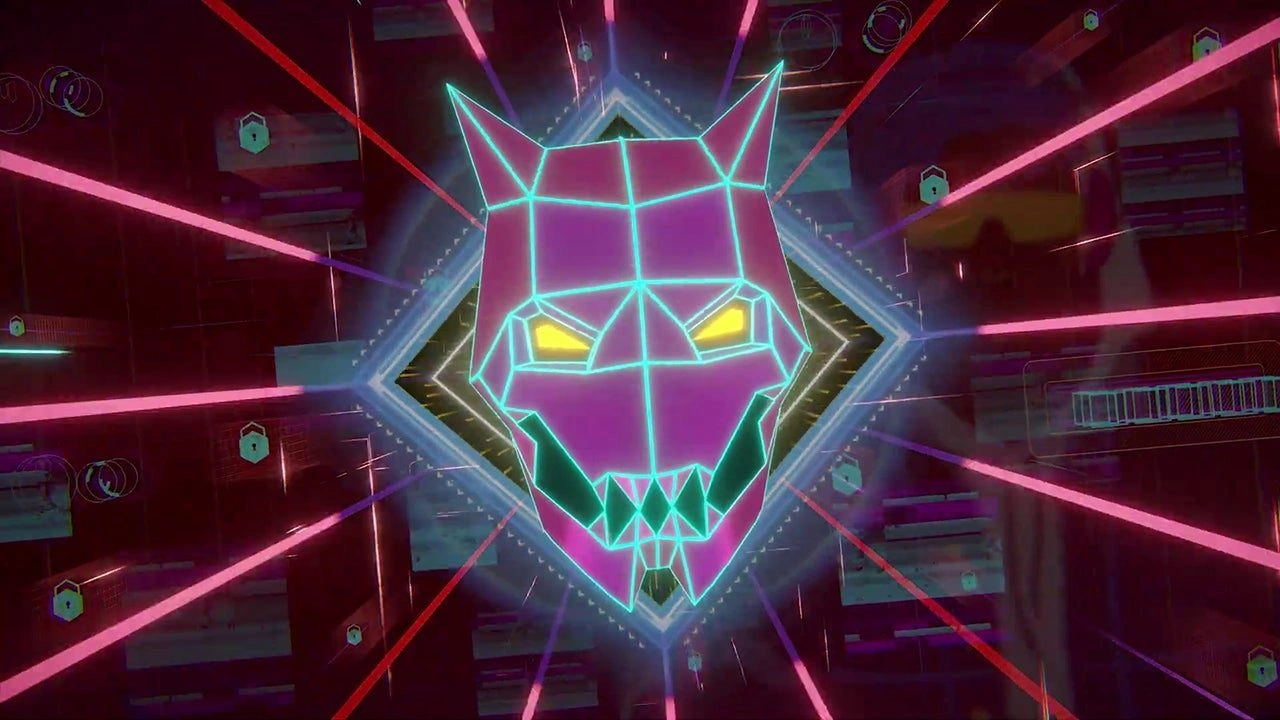

The mission opens with a breach into Knoss.OS, the most secure corporate network on the planet. Your entry point is a plain public relations office in Bogotá, where you secure a huge payload of sensitive data. The heist then shifts into escape design, with security protocols and hostile malware pursuing you across the grid.
You play a hacker for hire and choose between male, female, anon, or featured avatars. That setup gives the rhythm dungeon crawler a clean narrative reason for its pressure. The stolen data matters because every mistake threatens your body, your files, and your chance of reaching the exit port.
The game builds its story through motion. Each step follows the pulse of the track, and survival depends on matching movement to the audio. The narrative frame is simple, yet it supports the mechanical tension with real clarity. You are trapped inside a hostile system, and the story turns every beat into a choice.
Move too early, move too late, or lose track of the tempo, and the fiction responds with damage, corruption, and the threat of deletion. That connection between rhythm and survival gives the escape its urgency. You are always moving, fighting, and interacting under the same musical rule set.
Precision Movement and Technical Overrides
Interaction demands exact timing. Movement uses the D-Pad or face buttons, and every step must land on the current beat. Accuracy becomes the main survival resource. A missed input causes immediate health loss and corrupts the data you stole. The movement logic recalls Crypt of the Necrodancer, especially in the way the grid turns timing into positional decision-making.
This game expands that rhythm language through hacking tools and server architecture. Logic gates and I/O Towers shape your path, letting you shift between layers of the mainframe. The result is a movement system that asks you to read space and sound at the same time.
The hacking systems give the escape a stronger technical identity. Integrated Cyber Environment encounters, called ICE, require direct input work inside the system. You hold ZL or ZR and use directional inputs to align hacking rings.
This shifts the action from rhythmic stepping into a hand-eye timing test with its own internal logic. Black Ice events raise the pressure by asking you to rotate ring segments and lock them into place on the beat. These sequences make the hacking fantasy feel active, since your fingers are solving the intrusion under musical stress.
The Deck system adds character progression through equipped software tools. Traps, pulses, and safety shields give you ways to handle threats across different servers. Data packets collected throughout levels supply the power needed to run multiple tools at once. This creates a light build system grounded in practical consequence.
Your loadout changes how you approach hazards, enemy pressure, and server layouts. Defensive and offensive programs matter because each grid tests a different weakness in your setup. Success requires timing, resource awareness, and a hacker profile tuned to the server in front of you.
Grid Hazards and Survival Logistics
The servers rely on automated defenses that turn rhythm into spatial risk. Drone turrets fire projectiles in time with the music. Rotating barriers cut across your route and demand clean movement through tight openings. The Mino.TOR creates a recurring chase threat, forcing you to evade creatively and make smart use of installed traps. The firewall format command pushes the pressure to its highest point. You must outrun a wall of fire while holding the beat, which turns the run to the exit into a frantic test of composure.
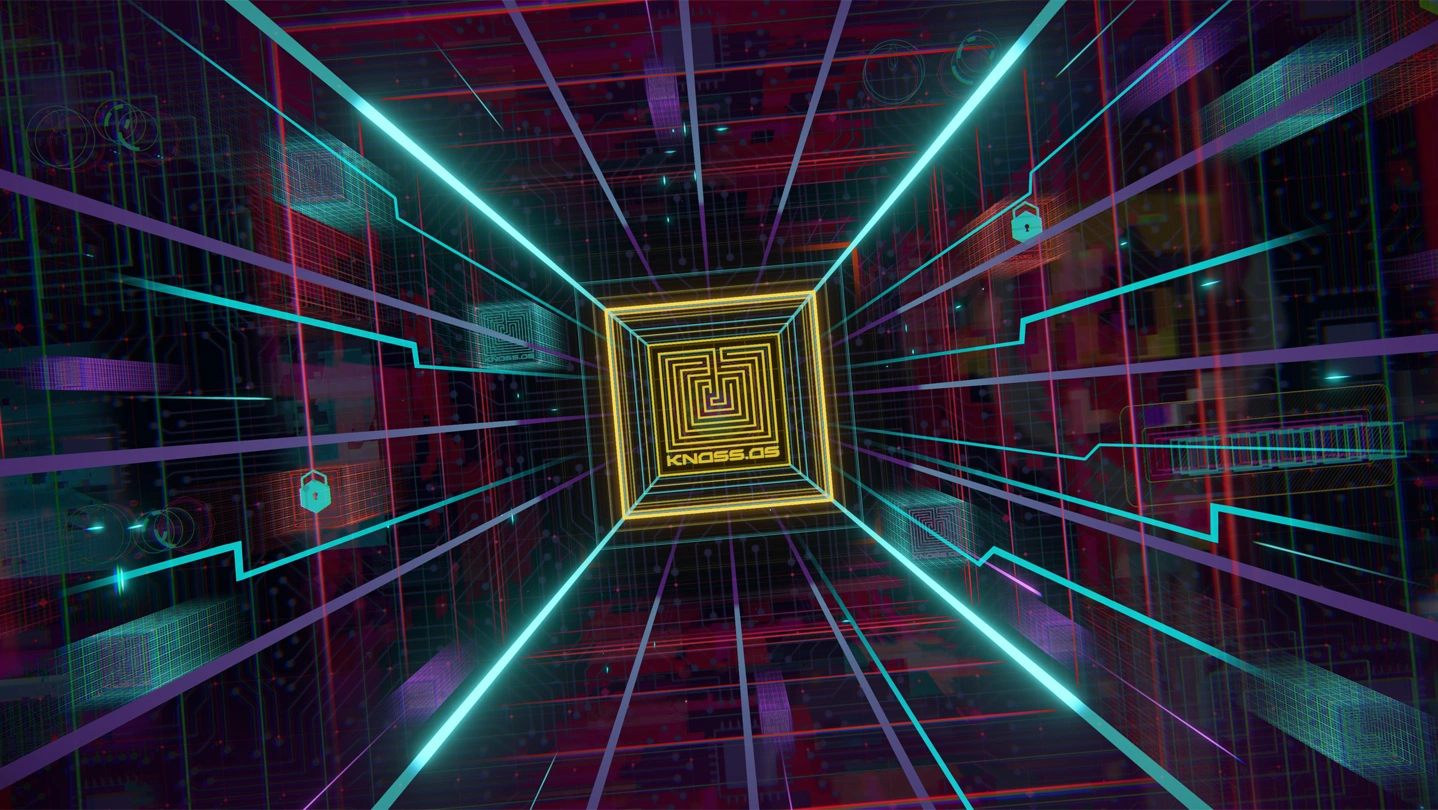
Exploration supports progression through optional objectives. Every level contains standard Bits and three hidden Mega Bits, which grant bonuses after completion. Competitive players can pursue the Sweet Beat title, awarded for clearing a stage within a strict move limit. That target asks for deep knowledge of the layout and the most efficient route. It gives the game a score-chasing layer that fits naturally with its rhythm grid design.
Checkpoints use backups to preserve progress during a level. They soften failure. Their placement can create rough moments. A respawn may return you to a dangerous spot, including the direct path of the Mino.TOR. That can cause unavoidable damage or a fast death.
The hazard variety still keeps the run active across these frustrations. Each new server presents obstacles that change your tactics, and the puzzle difficulty grows through pattern recognition, tempo discipline, and quicker reading of danger.
Audiovisual Synesthesia and Hardware Constraints
The visual style uses neon wireframe designs against deep darkness, creating a classic cyberpunk mood. Environments pulse and shift color with the active music track, tying the look of each grid to its rhythm. The avatar reflection on the screen is one of the strongest visual details.
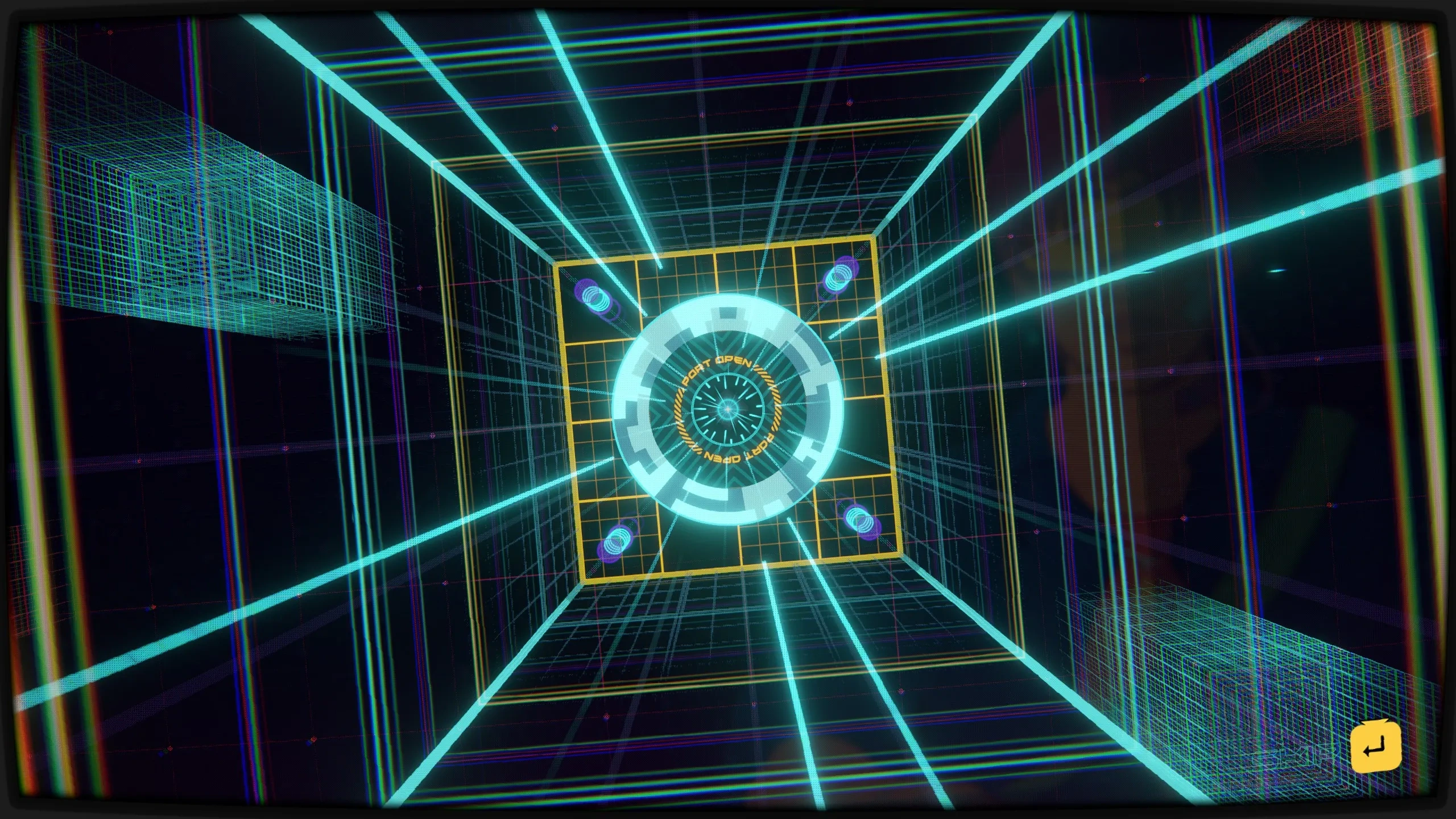
It evokes the feeling of staring into an old arcade cabinet and helps sell the sense of being inside a digital space. The soundtrack supplies the foundation for play. Synthwave, house, trance, and electronic funk all feed the pace of movement and hacking. Featured tracks such as Steve Aoki’s Double Helix give the experience a high-energy peak, and the music fits the speed of the grid.
Hardware choices have a direct effect on performance. Rhythm Heaven remains a useful point of reference for near-perfect audio-mechanical integration, and this game can feel less clean because extra sound effects sometimes land with an atonal quality.
Keyboard play is difficult and uncomfortable. A controller suits the hacking controls better, especially with joysticks and shoulder buttons. The joystick supports the fluid adjustment needed during ICE encounters, where small directional changes must happen under rhythmic pressure.
Audio setup matters as much as input choice. Bluetooth headphones can introduce latency that damages timing. The game asks for precise inputs, and wireless audio can break the connection between what you hear and what your fingers must do. Wired headphones or external speakers deliver better results.
The play experience depends on feeling the beat without delay. Any gap between audio cues and button presses creates an avoidable barrier. With the right setup, the rhythm, hacking, movement, and visual pulse lock together into a sharper system.
The Review
GRIDbeat!
GRIDbeat! delivers a mechanical experience that rewards precision and patience. The integration of rhythm and logic puzzles creates a focused loop for fans of the genre. Visual variety stays thin and the checkpoint system occasionally falters. These issues exist alongside a strong electronic soundtrack and the pressure of a rhythmic escape that provides significant satisfaction. It stands as a capable dungeon crawler for those who appreciate tight execution and a cyberpunk aesthetic.
PROS
- High energy electronic soundtrack
- Technical rhythm-based hacking mechanics
- Immersive arcade-style visual presentation
- Rigorous difficulty for genre enthusiasts
CONS
- Frustrating checkpoint placement
- Repetitive visual assets across servers
- Bluetooth audio latency complications
- Lack of keyboard remapping options